
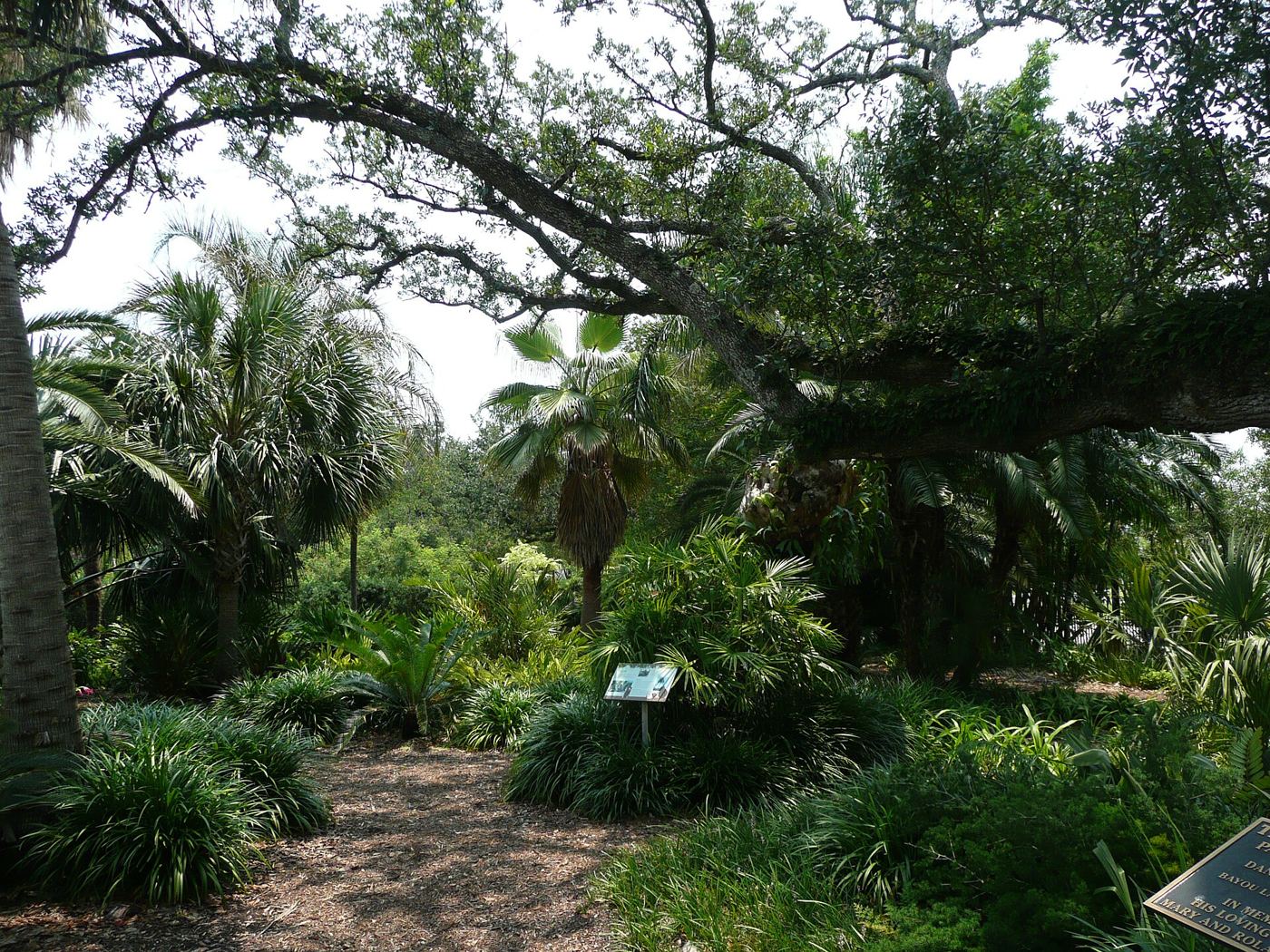
Tree-lined park paths are giving city dwellers a daily dose of nature, offering a green pause between flats, offices and busy roads that researchers say matters more than most people realise. Studies of urban life consistently find that even brief contact with trees, grass and birdsong is linked to lower stress, better mood and improved concentration, and the effect appears quickly, often within twenty minutes of a walk. City planners are responding by protecting existing avenues of trees, planting new ones along walking routes and linking parks into networks so that a green walk becomes part of the journey to work or school rather than a special trip. For residents of dense neighbourhoods without gardens, these paths may be the only regular contact with nature available, which makes their maintenance a health issue as much as an aesthetic one.
What the Evidence Shows
Researchers caution that the benefits depend on access and quality: a path that feels unsafe, poorly lit or badly maintained will go unused, however green it looks on a map. Community groups that organise litter picks, plant bulbs and report broken lights play a quiet but vital role in keeping these spaces welcoming. Health professionals suggest building nature into the routine — taking the longer route through the park, eating lunch on a bench beneath the trees, or simply pausing to notice the seasons changing. Local authorities are also studying which neighbourhoods lack green paths, so planting can be directed where it will help most. In a crowded city, a tree-lined path is a small piece of infrastructure with an outsized effect on how daily life feels. Keeping these paths open, safe and well used is a modest investment with a lasting return for everyone who walks them. Reporting and analysis from sources such as National Institutes of Health track the same developments, and specialists following tree-lined park paths say the direction is now consistent across independent lines of evidence.
The Wider Context
The wider context is a health system trying to move from treating illness late to preventing it early, against budgets that reward the opposite. Evidence around tree-lined park paths is being weighed by guideline committees that ask two questions in order: does it work, and can ordinary services actually deliver it at scale. Many good ideas pass the first test and stall on the second.
What Happens Next
What happens next for tree-lined park paths depends on the slow machinery of guidelines, funding and training catching up with the evidence. Patients asking about it today should expect honest answers that include uncertainty, and clinicians say a service that explains what is not yet known earns more trust than one that oversells. The research pipeline, at least, is moving in the right direction. You can follow related developments in our coverage of health.
None of this will be settled by a single announcement, study or product launch. The pattern to watch is accumulation: independent confirmations, honest reporting of failures and steady improvement in the underlying numbers. Readers who follow those signals, rather than the loudest claim of the week, will understand this subject better than most of the commentary surrounding it suggests is possible.
