
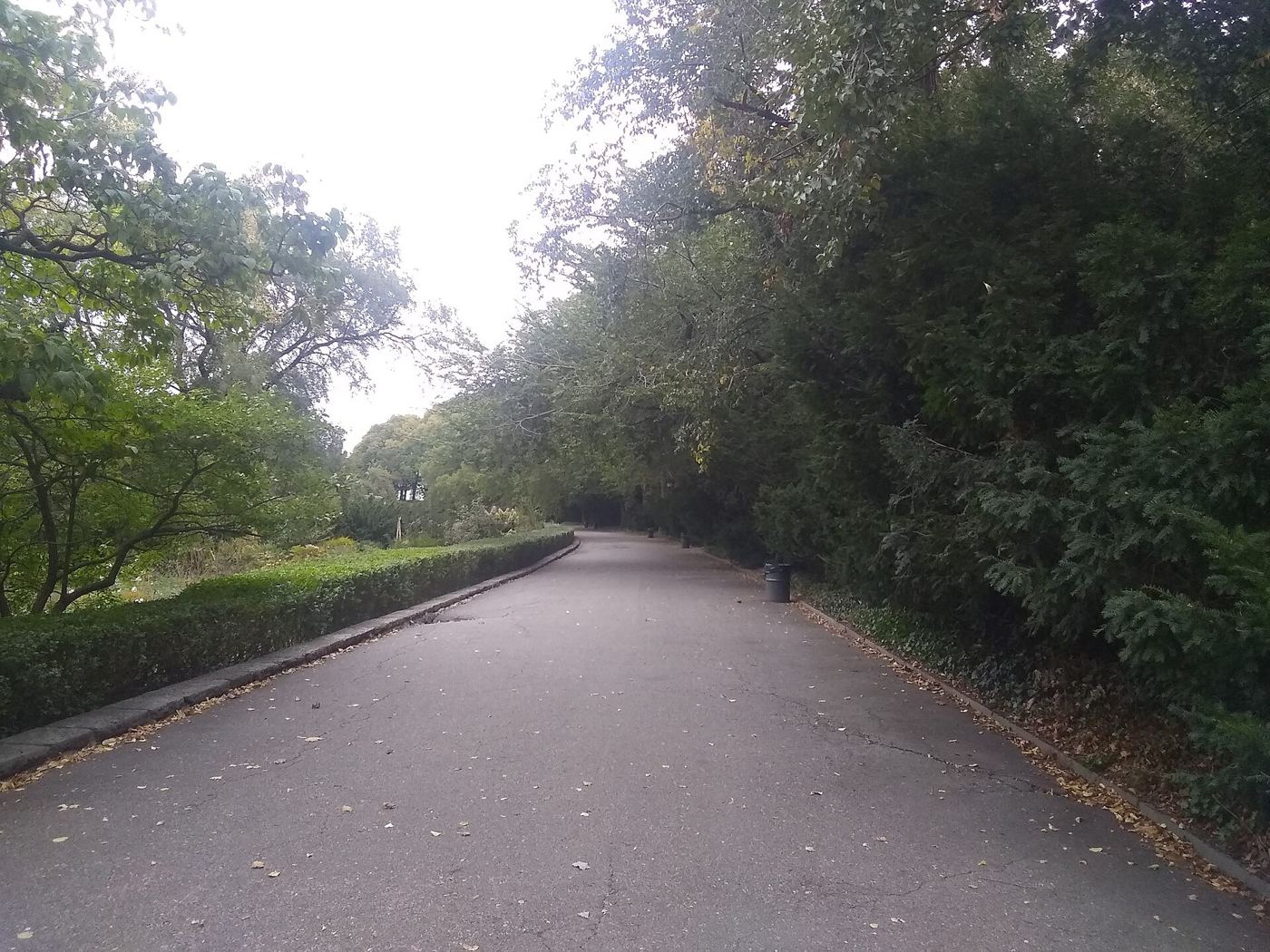
On a hot summer afternoon, the difference between a paved street and a tree-lined park can be measured in degrees, not just in comfort. Researchers placing temperature sensors across cities have found that large parks often sit several degrees cooler than surrounding streets, thanks to shade from the canopy and moisture released by leaves into the air. That cooling does not stay inside the park boundary either. Studies tracking temperatures outward from green spaces show the effect fading gradually over nearby blocks, easing heat for homes, schools and shops close by. The same trees also give city wildlife somewhere to live. Birds nest in the branches, insects feed on flowers and leaves, and small mammals move along connected green corridors that would not exist on bare concrete. For planners facing hotter summers, the evidence is shifting how parks are valued, from pleasant decoration to working infrastructure that protects public health and supports urban nature at the same time.
What the Evidence Shows
Turning that evidence into cooler neighbourhoods takes more than planting a few saplings and hoping for the best. City teams are now choosing tree species that cope with drought and polluted air, watering young trees through their first dry summers, and linking isolated parks with street trees so wildlife can travel between them. Some councils have started mapping which districts have the least canopy and planting there first, because those areas are often also the hottest and the least able to afford air conditioning. Maintenance matters too, since a neglected tree that drops limbs or blocks pavements quickly loses public support. Researchers are also testing how different park layouts perform, comparing open lawns with dense woodland and winding paths with straight ones. Early results suggest mixed planting works best, giving visitors shade, giving birds varied habitat, and keeping the cooling effect strong even as individual trees age and are replaced. Reporting and analysis from sources such as NASA track the same developments, and specialists following the cooling city parks say the direction is now consistent across independent lines of evidence.
The Wider Context
Funding bodies are watching the cooling city parks closely because the work sits at the junction of basic curiosity and practical return. Grant panels increasingly ask for a path from discovery to application, while researchers push back that the most valuable uses of fundamental science are rarely the ones written into the original proposal. The tension is productive when both sides stay honest about timescales.
What Happens Next
The long view on the cooling city parks is that fields advance by accumulation rather than by single announcements. This result adds a solid, checkable piece to a structure many teams are building, and its authors have shared their data so the piece can be tested from every side. That is how the picture eventually becomes reliable enough to act on. You can follow related developments in our coverage of science.
It is also worth remembering how quickly the picture in this area has changed before. Positions that looked settled a few years ago have been revised as new data arrived, and the same humility is appropriate now. The strongest coverage of this subject, and the most useful advice, tends to come from sources that update their views openly when the facts move, rather than defending an earlier position long after it has stopped fitting the evidence available.
