
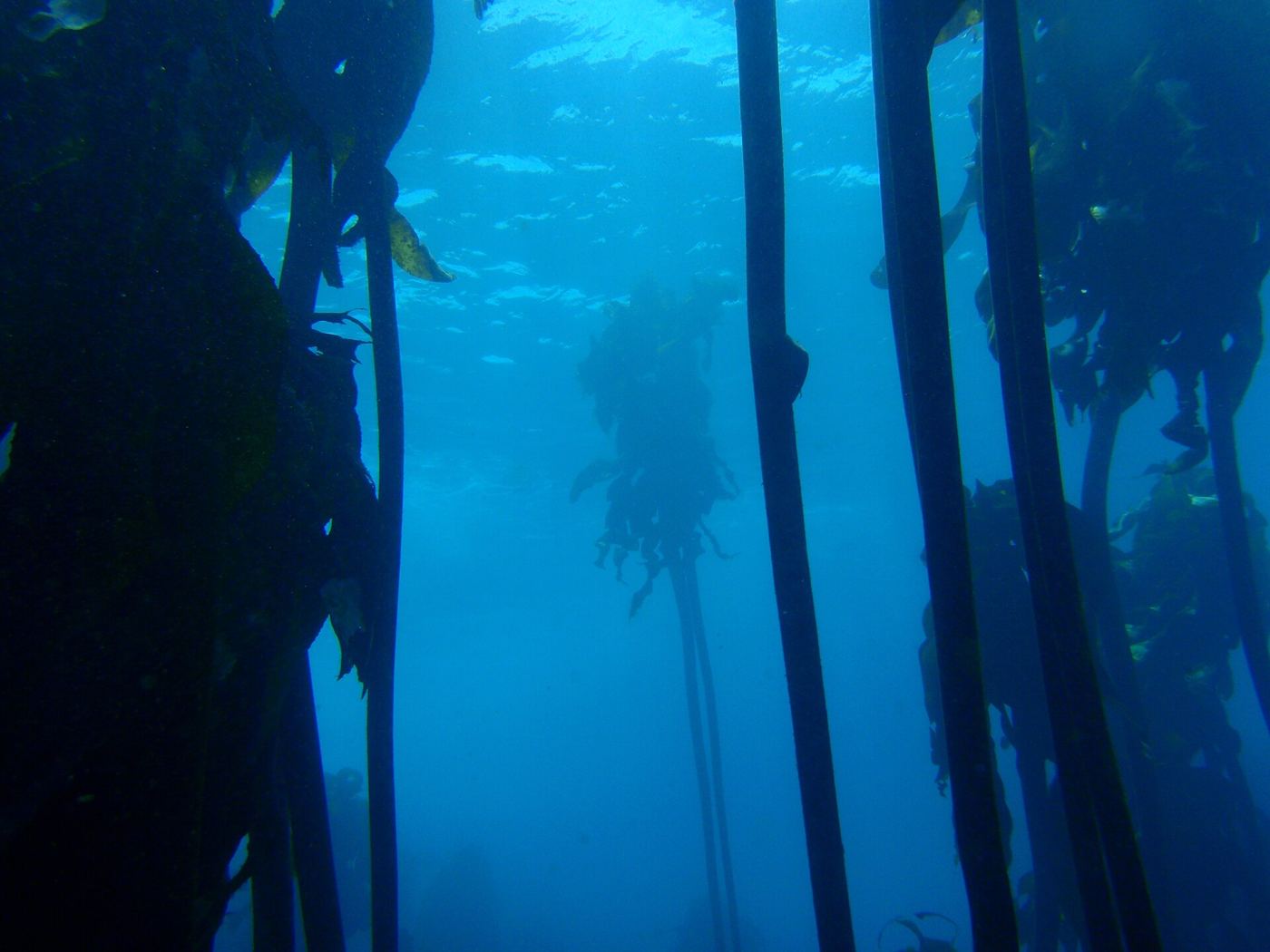
Marine researchers surveying cooler coastal waters this autumn are reporting encouraging signs of recovery in kelp forests that had thinned during recent warm periods. Divers documenting the sites describe taller canopies, denser understory growth, and a return of fish and invertebrates that shelter among the fronds. Kelp forests are among the most productive habitats in the ocean, supporting fisheries, buffering shorelines from wave energy, and storing carbon in fast growing tissue. Scientists say the rebound appears linked to cooler currents, reduced grazing pressure in some areas, and local efforts to protect water quality. The findings offer a cautious but hopeful picture for temperate reefs worldwide. Researchers say protecting these recovering sites now, before the next warm season arrives, will give the young kelp the best possible chance to mature fully.
What the Evidence Shows
Teams are now comparing satellite imagery, diver surveys, and temperature records to understand which conditions helped the forests return and how long the recovery might last. Restoration groups note that kelp can regrow quickly when stressors ease, yet repeated marine heatwaves can reverse gains within a single season. Managers are therefore pairing natural recovery with active planting, urchin control where needed, and stricter limits on runoff that clouds the water. Researchers stress that kelp forests will not recover everywhere at once, and local conditions matter greatly. Continued monitoring through winter will show whether the new growth survives storms and establishes a lasting canopy. If the recovery holds, scientists expect benefits for local fisheries and tourism, as healthier kelp beds attract divers and support the young fish that coastal economies depend upon each year. Reporting and analysis from sources such as NASA track the same developments, and specialists following recovering kelp forest ecosystems say the direction is now consistent across independent lines of evidence.
The Wider Context
Funding bodies are watching recovering kelp forest ecosystems closely because the work sits at the junction of basic curiosity and practical return. Grant panels increasingly ask for a path from discovery to application, while researchers push back that the most valuable uses of fundamental science are rarely the ones written into the original proposal. The tension is productive when both sides stay honest about timescales.
What Happens Next
The long view on recovering kelp forest ecosystems is that fields advance by accumulation rather than by single announcements. This result adds a solid, checkable piece to a structure many teams are building, and its authors have shared their data so the piece can be tested from every side. That is how the picture eventually becomes reliable enough to act on. You can follow related developments in our coverage of science.
It is also worth remembering how quickly the picture in this area has changed before. Positions that looked settled a few years ago have been revised as new data arrived, and the same humility is appropriate now. The strongest coverage of this subject, and the most useful advice, tends to come from sources that update their views openly when the facts move, rather than defending an earlier position long after it has stopped fitting the evidence available.
