Close Menu
InformeVagas
    Facebook X (Twitter) Instagram
    Trending
    • Lunar Craters Hold a Record of Solar System Impacts
    • Cold or Flu? How to Tell Which Illness You Have
    • Resistance Band Classes Help Older Adults Stay Strong
    • Sunlit Lunar Plateaus Emerge as Prime Habitat Sites
    • Modular Desktop PCs Get Easier Self-Repair Parts
    • Automated Crater Counting Sharpens Map of the Moon
    • Lunar Highlands Survey Traces the Moon’s Oldest Impact Scars
    • DeFi Dashboards Compete on Showing the Full Cost
    Facebook X (Twitter) LinkedIn Pinterest RSS
    InformeVagas
    • Home
    • Technology
    • Business
    • Health
    • Cryptocurrency
    • Cybersecurity
    • Guide
    InformeVagas
    You are at:Home»Business»Lunar Craters Hold a Record of Solar System Impacts
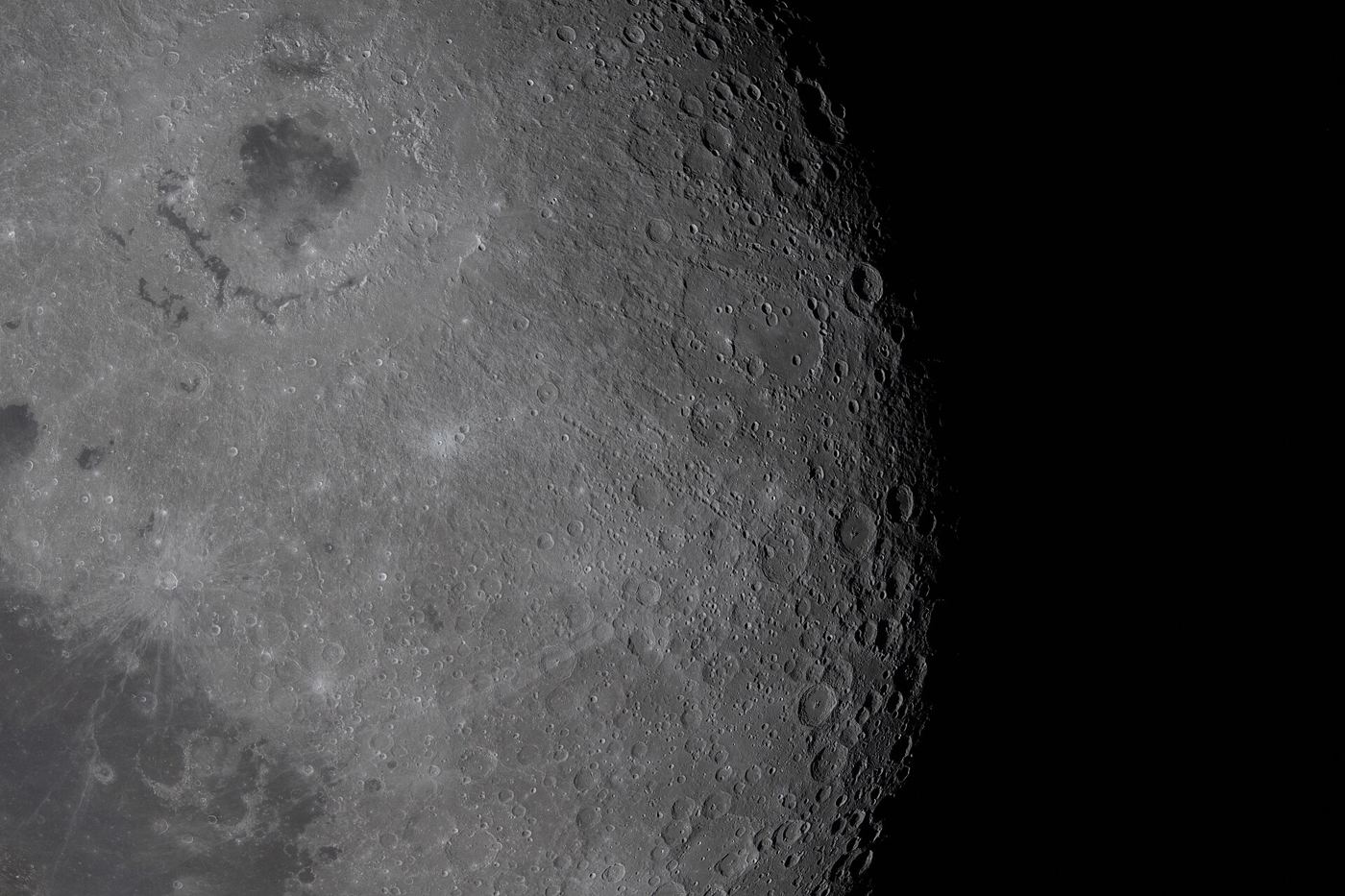
    A detailed view of the moon surface showing a rugged lunar landscape pockmarked with craters under stark sunlight.

    Lunar Craters Hold a Record of Solar System Impacts

    0
    By Drew Bennett on November 1, 2026 Business

    Every crater on the Moon is a dated entry in a long impact record, and scientists use their size, density, and overlap to estimate the age of surrounding terrain. A densely cratered plain is usually far older than a smooth lava flow with only scattered marks. That simple counting method helps researchers reconstruct how bombardment shaped the early solar system and the young Earth for researchers planning the next generation of sample return missions.

    What the Evidence Shows

    The technique only works when crater populations are mapped consistently, so teams now train image-recognition tools to catalogue millions of small features that human reviewers might miss. Cross-checks against returned lunar samples anchor parts of the timeline in real laboratory dates rather than estimates alone. Even so, resurfacing by lava, shaking from large impacts, and erosion by micrometeorites can quietly erase evidence and complicate any age estimate when the next generation of mapping missions flies. Reporting and analysis from sources such as NASA track the same developments, and specialists following lunar crater dating record say the direction is now consistent across independent lines of evidence.

    The Wider Context

    Funding bodies are watching lunar crater dating record closely because the work sits at the junction of basic curiosity and practical return. Grant panels increasingly ask for a path from discovery to application, while researchers push back that the most valuable uses of fundamental science are rarely the ones written into the original proposal. The tension is productive when both sides stay honest about timescales.

    What Happens Next

    The long view on lunar crater dating record is that fields advance by accumulation rather than by single announcements. This result adds a solid, checkable piece to a structure many teams are building, and its authors have shared their data so the piece can be tested from every side. That is how the picture eventually becomes reliable enough to act on. You can follow related developments in our coverage of science.

    It is also worth remembering how quickly the picture in this area has changed before. Positions that looked settled a few years ago have been revised as new data arrived, and the same humility is appropriate now. The strongest coverage of this subject, and the most useful advice, tends to come from sources that update their views openly when the facts move, rather than defending an earlier position long after it has stopped fitting the evidence available.

    None of this will be settled by a single announcement, study or product launch. The pattern to watch is accumulation: independent confirmations, honest reporting of failures and steady improvement in the underlying numbers. Readers who follow those signals, rather than the loudest claim of the week, will understand this subject better than most of the commentary surrounding it suggests is possible.

    craters Moon planetary history
    Drew Bennett

    Related Posts

    Sunlit Lunar Plateaus Emerge as Prime Habitat Sites

    Automated Crater Counting Sharpens Map of the Moon

    Lunar Highlands Survey Traces the Moon’s Oldest Impact Scars

    Leave A Reply Cancel Reply

    Search
    Recent Posts
    November 1, 2026

    Lunar Craters Hold a Record of Solar System Impacts

    November 1, 2026

    Cold or Flu? How to Tell Which Illness You Have

    October 30, 2026

    Resistance Band Classes Help Older Adults Stay Strong

    October 30, 2026

    Sunlit Lunar Plateaus Emerge as Prime Habitat Sites

    October 29, 2026

    Modular Desktop PCs Get Easier Self-Repair Parts

    October 29, 2026

    Automated Crater Counting Sharpens Map of the Moon

    About Us

    InformeVagas delivers expert insights covering Technology, Business, Health, Cryptocurrency, Cybersecurity, Guides.

    Gain updates, trends, tips, strategies, innovations, solutions, risks. Empower decision-making, boost awareness, track progress, explore opportunities, decode challenges. #InformeVagas

    Popular Posts
    November 1, 2026

    Lunar Craters Hold a Record of Solar System Impacts

    November 1, 2026

    Cold or Flu? How to Tell Which Illness You Have

    October 30, 2026

    Resistance Band Classes Help Older Adults Stay Strong

    Contact Us

    We appreciate your feedback! If you have a question, need assistance, or would like to connect, please don’t hesitate to reach out. Our team is always here to help you.

    Email: [email protected]
    Phone: +62 823 19299387

    Address: 757 Coffman Alley
    Elizabethtown, KY 42701

    Copyright © 2026 | All Rights Reserved | InformeVagas
    • About Us
    • Contact Us
    • Disclaimer
    • Privacy Policy
    • Terms and Conditions
    • Write For Us
    • Sitemap

    Type above and press Enter to search. Press Esc to cancel.

    WhatsApp us