
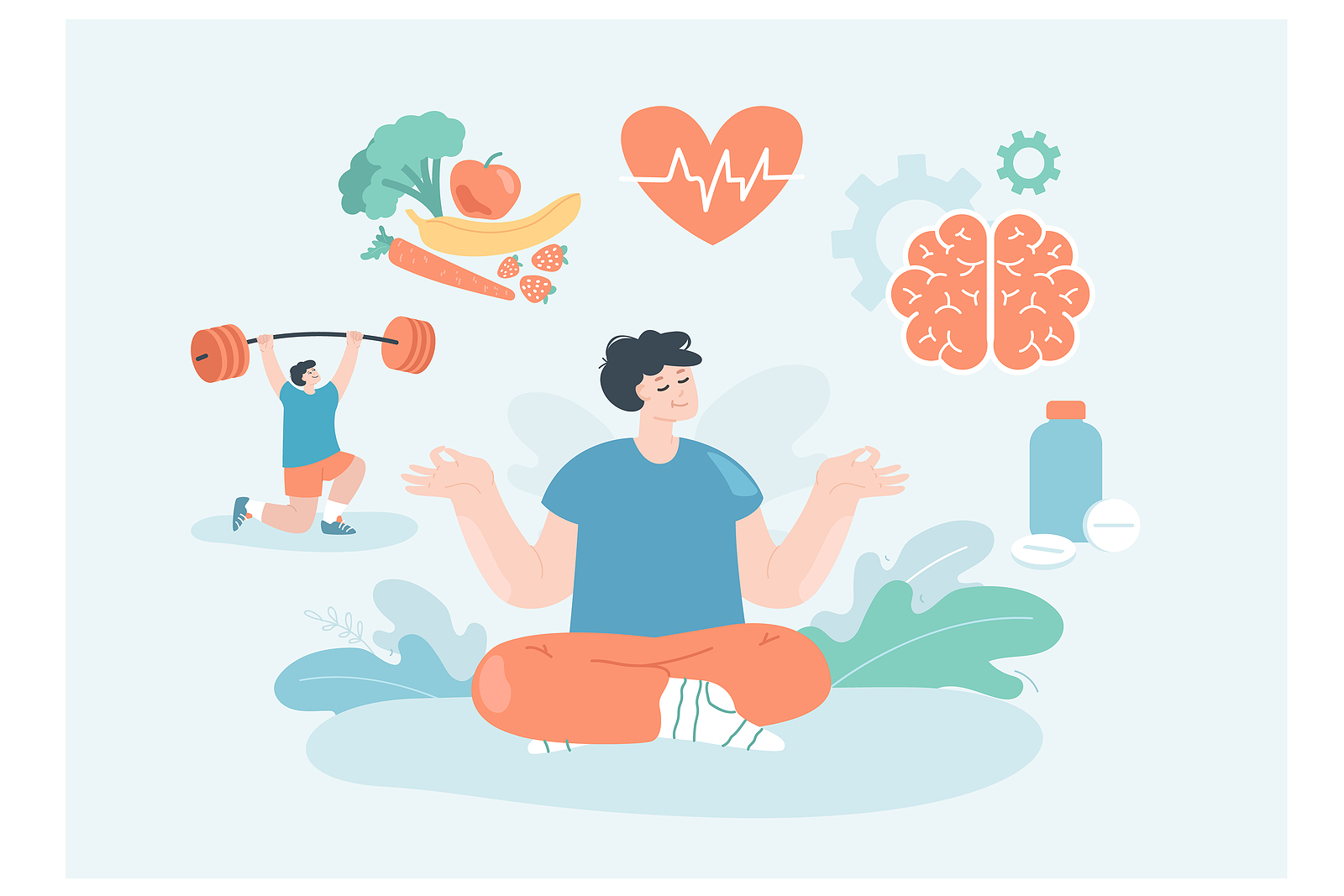
Mental health is an essential part of overall well-being, influencing how we think, feel, and handle daily challenges. In today’s fast-paced world, stress, anxiety, and emotional pressure have become common experiences for people of all ages. Maintaining good mental health is not just about avoiding mental illness; it is about building resilience, developing healthy habits, and creating a balanced lifestyle that supports emotional stability and personal growth.
Mental health tips play a vital role in helping individuals manage their thoughts and emotions effectively. Simple practices such as maintaining a regular routine, getting enough sleep, staying physically active, and practicing mindfulness can significantly improve mental well-being. Learning how to manage stress, set realistic goals, and take breaks when needed can prevent burnout and promote a healthier mindset.
Why Mental Health Tips Matter?
Mental Health Tips provide guidance for maintaining emotional balance during demanding situations. These tips help individuals recognize stress signals, reduce emotional overload, and develop positive routines. Regular practice improves focus, patience, self-control, and emotional intelligence.
Ignoring mental health often leads to chronic stress, reduced performance, sleep problems, weakened immunity, and relationship conflict. Applying consistent Mental Health Tips creates protective habits that support long-term well-being.
Mental Health Tips for Daily Life
1. Build a Structured Routine
A structured routine creates stability and predictability. Daily planning reduces anxiety caused by uncertainty. A consistent schedule improves sleep quality, concentration, and emotional regulation.
Key actions:
- Wake up and sleep at consistent times
- Plan work, meals, breaks, and rest
- Avoid excessive multitasking
Structure strengthens mental clarity and reduces emotional fatigue.
2. Prioritize Quality Sleep
Sleep directly affects mood, memory, focus, and stress tolerance. Sleep deprivation increases irritability, anxiety, and emotional sensitivity.
Mental Health Tips for better sleep:
- Maintain fixed sleep timing
- Limit screen exposure before bedtime
- Create a quiet, dark sleep environment
- Avoid caffeine late during evening hours
Restorative sleep improves emotional balance and cognitive performance.
3. Practice Mindfulness and Awareness
Mindfulness strengthens awareness of thoughts, emotions, and physical sensations. This practice reduces overthinking and emotional reactivity.
Effective mindfulness habits:
- Deep breathing exercises
- Short daily meditation sessions
- Focused attention during routine activities
- Awareness of emotional triggers
Mindfulness encourages calm responses rather than impulsive reactions.
4. Manage Stress Proactively
Stress becomes harmful when unmanaged. Learning stress management techniques improves emotional control and mental resilience.
Professional Mental Health Tips for stress management:
- Break tasks into smaller steps
- Set realistic goals
- Schedule regular breaks
- Practice relaxation techniques
- Avoid perfectionism
Stress management supports emotional stability and long-term mental strength.
5. Maintain Physical Activity
Physical movement influences mental health through chemical and neurological changes. Exercise increases endorphin release, supporting positive mood and reduced anxiety.
Recommended activities:
- Walking
- Strength training
- Yoga
- Cycling
- Stretching
Consistent movement improves energy levels, confidence, and emotional balance.
Mental Health Tips for Emotional Regulation
6. Identify Emotional Patterns
Recognizing emotional patterns helps prevent emotional overload. Emotional awareness improves decision-making and communication.
Helpful practices:
- Journaling thoughts and emotions
- Reflecting on emotional reactions
- Identifying repeated stress triggers
Awareness supports emotional maturity and self-control.
7. Develop Healthy Coping Skills
Healthy coping skills prevent emotional suppression or impulsive behavior.
Effective coping strategies:
- Creative expression
- Physical movement
- Calm breathing techniques
- Problem-solving methods
- Supportive conversations
Avoid unhealthy coping methods such as substance misuse or emotional withdrawal.
Read Also: How to Learn Coding for Free – Complete Roadmap
8. Set Clear Boundaries
Boundaries protect emotional energy. Without boundaries, individuals experience burnout and resentment.
Mental Health Tips for boundaries:
- Limit excessive commitments
- Communicate expectations clearly
- Protect personal time
- Reduce digital overload
Healthy boundaries support self-respect and emotional balance.
Mental Health Tips for Relationships
9. Strengthen Social Connections
Positive relationships support emotional health. Human connection reduces loneliness and emotional isolation.
Ways to strengthen connections:
- Honest communication
- Active listening
- Regular interaction
- Emotional support
Strong relationships improve resilience during stressful situations.
10. Communicate Openly
Clear communication reduces misunderstandings and emotional conflict. Expressing emotions respectfully builds trust and understanding.
Professional communication practices:
- Use calm language
- Express feelings without blame
- Listen without interruption
- Seek mutual solutions
Healthy communication strengthens emotional security.
Mental Health Tips for Work and Productivity
11. Balance Workload
Overworking increases emotional exhaustion. Productivity improves through balance rather than constant pressure.
Helpful strategies:
- Set daily priorities
- Avoid unnecessary multitasking
- Schedule recovery time
- Recognize personal limits
Balanced effort improves motivation and focus.
12. Practice Self-Compassion
Self-criticism damages mental health. Self-compassion promotes emotional healing and confidence.
Self-compassion practices:
- Accept mistakes as learning experiences
- Replace harsh self-talk with supportive language
- Recognize personal effort
Self-kindness strengthens emotional resilience.
Mental Health Tips for Long-Term Well-Being
13. Limit Digital Overload
Excessive screen exposure increases anxiety, comparison stress, and attention fatigue.
Digital wellness tips:
- Schedule screen-free time
- Reduce social media exposure
- Avoid constant notifications
Digital balance improves mental clarity and emotional calm.
14. Nourish Mental Health Through Nutrition
Nutrition influences brain function and mood regulation.
Supportive dietary habits:
- Balanced meals
- Adequate hydration
- Reduced processed food intake
Healthy nutrition supports energy, focus, and emotional balance.
15. Seek Professional Support When Needed
Professional mental health support provides guidance during emotional difficulty. Seeking help reflects strength rather than weakness.
Professional support includes:
- Counseling
- Therapy
- Mental health coaching
Early support prevents long-term mental health challenges.
Breaking Mental Health Stigma
Stigma prevents individuals from seeking support. Open discussion about mental health encourages understanding and acceptance. Education, awareness, and empathy reduce stigma and promote healthier communities.
Mental health deserves equal importance as physical health. Promoting awareness improves emotional safety and social well-being.
Frequently Asked Questions
How often should Mental Health Tips be practiced?
Mental Health Tips should be practiced daily through small, consistent habits such as mindfulness, proper rest, and stress management.
Are Mental Health Tips helpful for stress management?
Yes, Mental Health Tips provide tools like relaxation techniques, time management, and emotional awareness to reduce stress levels.
Can physical activity support mental health?
Regular physical activity improves mood, reduces anxiety, and supports emotional balance by promoting healthy brain function.
Do Mental Health Tips help with anxiety?
Mental Health Tips such as mindfulness, structured routines, and healthy coping strategies help manage anxiety effectively.
When should professional mental health support be considered?
Professional support should be considered when emotional distress affects daily functioning, sleep, relationships, or work performance.
Can Mental Health Tips improve relationships?
Yes, Mental Health Tips improve communication skills, emotional understanding, and empathy, leading to healthier relationships.
Are Mental Health Tips suitable for all age groups?
Mental Health Tips are beneficial for children, adults, and older individuals, as emotional well-being is important at every life stage.
Conclusion
Mental health requires continuous care, awareness, and commitment. Applying consistent Mental Health Tips supports emotional balance, resilience, confidence, and long-term well-being. Small daily actions create powerful change over time.
Mental strength develops through healthy routines, emotional awareness, supportive relationships, balanced effort, and self-compassion. Prioritizing mental health improves quality of life, personal growth, and emotional clarity.
