
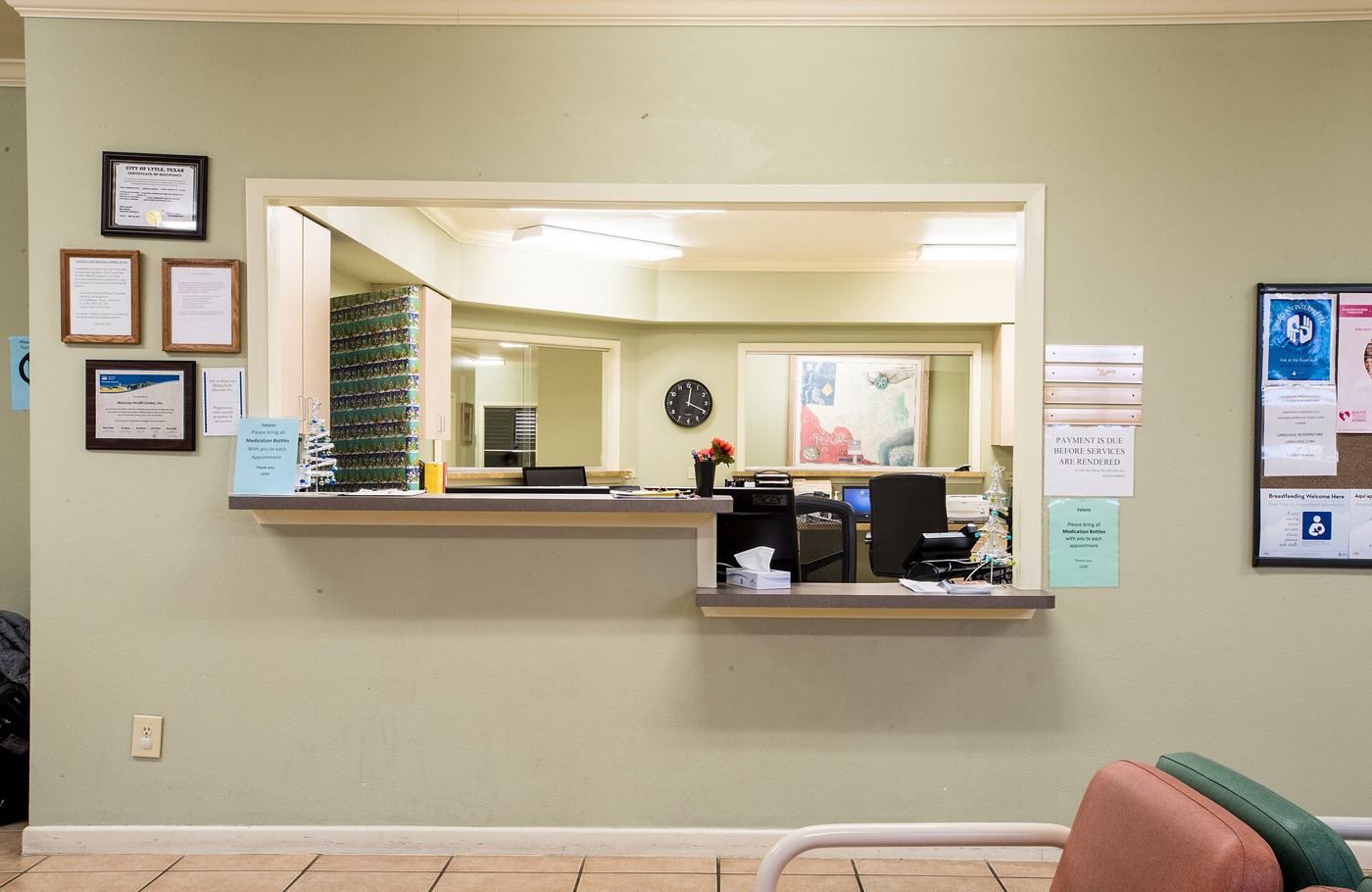
Community clinics are adding weekend appointments for vaccinations, health checks and routine reviews, aiming to reach people whose working hours or caring responsibilities make weekday visits difficult. Managers say missed preventive care often reflects logistics rather than reluctance, with parents, shift workers and those relying on others for transport particularly affected. Weekend sessions group several services together, so a single trip might cover a flu or childhood vaccination, a blood pressure check and a medication review. Staffing is planned carefully to avoid weakening weekday cover, using a mix of nurses, pharmacists and doctors who choose additional shifts. Booking systems offer both advance appointments and a limited number of walk in places, and reminders by text message have reduced wasted slots. The goal is straightforward: make the healthy choice the easy choice for as many local residents as possible. Transport links and clear signage are being reviewed alongside the new appointment times.
What the Evidence Shows
Early feedback suggests weekend clinics particularly help families complete childhood immunisations on schedule and enable workers to keep up with seasonal vaccines without losing pay. Clinics are monitoring which services attract demand at weekends and adjusting the mix accordingly, since patterns differ between neighbourhoods. Accessibility remains a priority, including step free entry, translation support and quieter periods for patients who find busy waiting rooms difficult. People are reminded to bring vaccination records and lists of current medicines, which help staff give complete care in a single visit. Public health teams also use the sessions to share information about screening invitations and local support services. If attendance stays strong, health authorities expect weekend provision to become a permanent feature in more areas, narrowing gaps in preventive care that have historically followed working patterns and income rather than medical need. Staff say the calmer pace of weekends also allows fuller conversations with patients. Reporting and analysis from sources such as National Institutes of Health track the same developments, and specialists following weekend community clinic vaccinations and checks say the direction is now consistent across independent lines of evidence.
The Wider Context
The wider context is a health system trying to move from treating illness late to preventing it early, against budgets that reward the opposite. Evidence around weekend community clinic vaccinations and checks is being weighed by guideline committees that ask two questions in order: does it work, and can ordinary services actually deliver it at scale. Many good ideas pass the first test and stall on the second.
What Happens Next
What happens next for weekend community clinic vaccinations and checks depends on the slow machinery of guidelines, funding and training catching up with the evidence. Patients asking about it today should expect honest answers that include uncertainty, and clinicians say a service that explains what is not yet known earns more trust than one that oversells. The research pipeline, at least, is moving in the right direction. You can follow related developments in our coverage of health.
None of this will be settled by a single announcement, study or product launch. The pattern to watch is accumulation: independent confirmations, honest reporting of failures and steady improvement in the underlying numbers. Readers who follow those signals, rather than the loudest claim of the week, will understand this subject better than most of the commentary surrounding it suggests is possible.
