
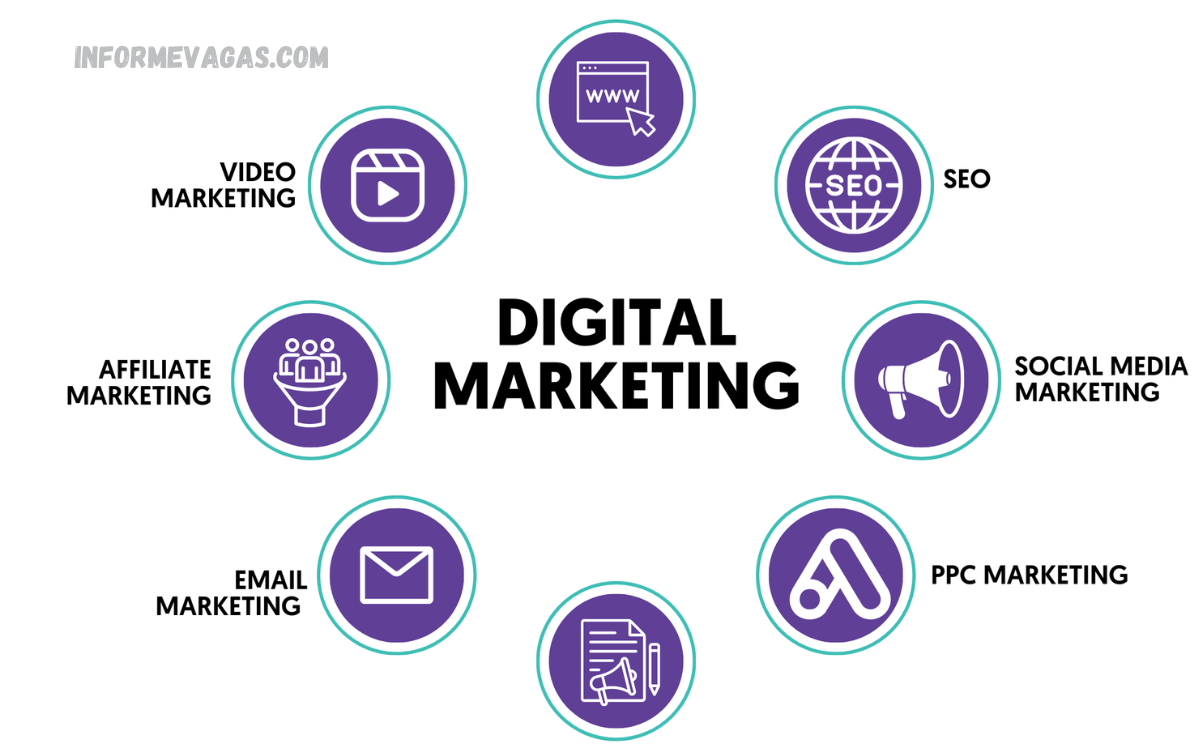
Digital marketing is the modern way businesses promote their products and services using the internet and digital devices. For beginners, it simply means advertising online through platforms like search engines, social media, websites, email, and mobile apps. Unlike traditional marketing such as TV, radio, and newspapers digital marketing allows businesses to reach a specific audience, track their responses, and measure results instantly. This makes it more affordable and effective, especially for small businesses and freelancers.
The key goal of digital marketing is to attract visitors, convert them into leads, and eventually turn them into customers. Some important areas include Search Engine Optimization (SEO) to rank on Google, Social Media Marketing to build brand engagement, Content Marketing to share useful information, and Paid Advertising to promote products quickly. Email marketing is also a powerful tool for building long-term customer relationships.
What is Digital Marketing?
Digital marketing refers to promoting products, services, or brands using digital channels. Unlike traditional marketing, digital marketing targets specific audiences through platforms such as search engines, social media, websites, email, and mobile applications. This approach allows businesses to track performance, measure results, and adjust strategies in real time.
Importance of Digital Marketing
Businesses that ignore digital marketing risk losing potential customers. Digital marketing provides cost-effective solutions, higher audience reach, and measurable results. Beginners can start with small investments and gradually scale campaigns. Online presence, brand visibility, and customer engagement increase dramatically with effective digital marketing strategies.
Core Components of Digital Marketing
1. Search Engine Optimization (SEO)
SEO optimizes websites to rank higher on search engines like Google. Beginners should focus on keyword research, on-page optimization, content creation, and backlink strategies. SEO drives organic traffic and builds long-term online visibility.
2. Content Marketing
Content marketing involves creating valuable, informative, and engaging content. Blogs, videos, infographics, and podcasts attract audiences and establish authority. Beginners can start with blog posts or social media content to build credibility.
3. Social Media Marketing
Social media marketing leverages platforms such as Facebook, Instagram, LinkedIn, Twitter, and TikTok. Beginners can schedule posts, engage with followers, run paid campaigns, and analyze results. Social media helps brands connect with audiences, promote products, and increase conversions.
4. Email Marketing
Email marketing remains a powerful tool to nurture leads. Beginners can start building email lists, sending newsletters, and creating personalized campaigns. Effective email marketing increases customer retention and drives repeat sales.
5. Pay-Per-Click (PPC) Advertising
PPC advertising enables businesses to display ads on search engines and social media. Beginners can start with small budgets to test campaigns. Platforms like Google Ads, Bing Ads, and Facebook Ads provide instant traffic and measurable results.
6. Affiliate Marketing
Affiliate marketing allows individuals to earn commissions by promoting products of other businesses. Beginners can join affiliate programs and use blogs, social media, or email campaigns to generate revenue.
7. Analytics and Reporting
Tracking results is crucial for digital marketing success. Tools like Google Analytics, Facebook Insights, and SEMrush help beginners understand audience behavior, campaign performance, and ROI. Analytics allows continuous improvement of strategies.
Digital Marketing Strategies for Beginners
- Set Clear Goals: Define objectives such as increasing website traffic, generating leads, or boosting sales.
- Understand Audience: Identify target demographics, interests, and online behavior.
- Create Valuable Content: Share informative, engaging, and actionable content.
- Leverage Multiple Channels: Use SEO, social media, email, and paid campaigns together.
- Test and Optimize: Continuously track performance, test campaigns, and optimize results.
Tools Beginners Can Use
- SEO Tools: Ahrefs, SEMrush, Moz
- Content Tools: Canva, Grammarly, HubSpot
- Social Media Tools: Buffer, Hootsuite, Later
- Email Marketing: Mailchimp, ConvertKit, Sendinblue
- Analytics Tools: Google Analytics, Google Data Studio, Hotjar
Read Also: Essential Personal Finance Tips for Financial Stability
Tips for Beginners
- Start small and focus on mastering one channel first.
- Learn from free online resources, blogs, and courses.
- Stay updated with digital marketing trends.
- Engage actively with your audience to build trust.
- Experiment with campaigns and analyze results for improvement.
Benefits of Digital Marketing for Beginners
- Career Opportunities: Digital marketing skills increase employability in growing industries.
- Business Growth: Small businesses can reach global audiences with minimal investment.
- Measurable Results: Trackable metrics help make data-driven decisions.
- Flexible Learning: Beginners can learn online without formal education.
Frequently Asked Questions
How can beginners start with digital marketing?
Beginners can start by learning basic SEO, creating content, engaging on social media, and experimenting with small paid campaigns while tracking results.
Do I need technical skills for digital marketing?
Basic computer skills and internet knowledge are sufficient. Advanced skills like analytics, design, or coding can enhance results but are not mandatory initially.
How long does it take to learn digital marketing?
Learning basics may take a few weeks, while mastering strategies like SEO, content creation, and PPC can take several months of practice and experience.
What tools should beginners use?
Beginners can use tools like Google Analytics, Canva, Mailchimp, SEMrush, Hootsuite, and Buffer to manage campaigns and track performance.
Can digital marketing help grow small businesses?
Yes, digital marketing allows small businesses to reach global audiences, generate leads, and improve brand visibility without large budgets.
Is social media necessary for digital marketing?
Social media is highly effective for engagement, brand promotion, and customer interaction, but it should complement other channels like SEO and email marketing.
What are common mistakes beginners should avoid?
Common mistakes include ignoring analytics, not defining goals, spreading efforts too thin across channels, and creating low-quality content.
Conclusion
Digital marketing for beginners offers exciting opportunities for personal growth, business success, and career advancement. By learning key strategies, using the right tools, and implementing consistent campaigns, beginners can achieve measurable results. The digital landscape is vast, but with patience, creativity, and dedication, anyone can master digital marketing and achieve online success.
