Close Menu
InformeVagas
    Facebook X (Twitter) Instagram
    Trending
    • Leisure Exercise Cuts Dementia Risk, but Hard Work May Not Help
    • Artemis II Rocket Tore Holes in Earth’s Ionosphere, Study Finds
    • A New Imaging Method Maps the Immune System’s Antibody Cells in Tissue
    • Alzheimer’s Blood Tests Now Available After FDA Clearance
    • NHS Faces Winter Crisis as Record A&E Delays Hit Before Flu Season
    • Glass Stretched One Atom Wide Lets Heat Flow in Quantum Steps
    • Two New Bandicoot Species Found After a Decade in Museum Drawers
    • One Infusion of Gene-Editing Therapy Cuts ‘Bad’ Cholesterol by 62%
    Facebook X (Twitter) LinkedIn Pinterest RSS
    InformeVagas
    • Home
    • Technology
    • Business
    • Health
    • Cryptocurrency
    • Cybersecurity
    • Guide
    InformeVagas
    You are at:Home»Health»Leisure Exercise Cuts Dementia Risk, but Hard Work May Not Help
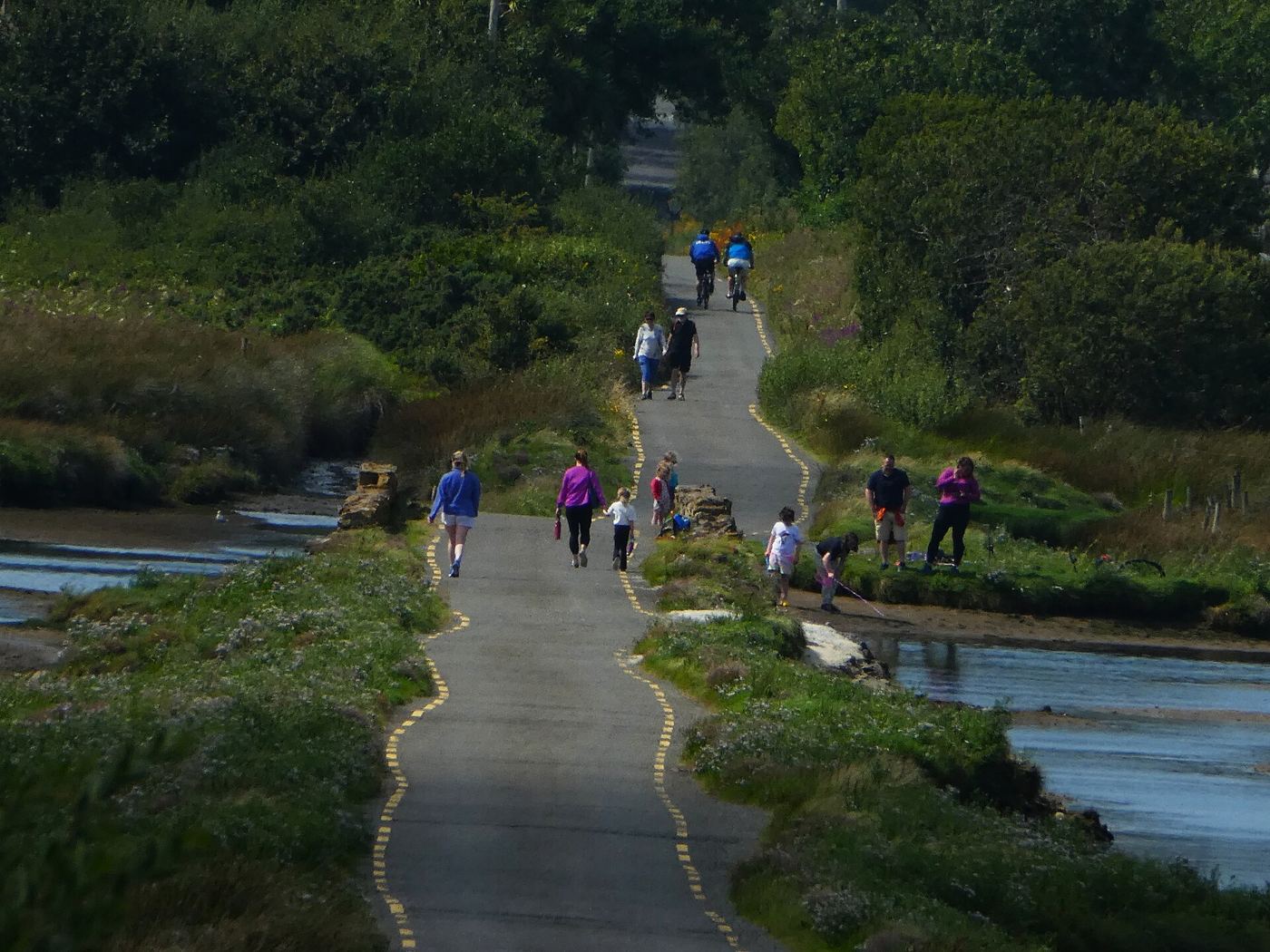
    A photograph of older adults walking together for exercise in a sunny park.

    Leisure Exercise Cuts Dementia Risk, but Hard Work May Not Help

    0
    By Drew Bennett on November 25, 2026 Health

    Leisure-time exercise is linked to a 24% lower risk of dementia, while physically demanding work is linked to a 20% higher risk, according to a major international analysis published in The Lancet Public Health. Researchers at the University of Southern California combined evidence from 74 cohort and case-control studies across 30 countries, covering more than 4.2 million adults aged 45 to 93. The findings challenge the familiar advice that every move counts for brain health, suggesting the benefits of movement depend on where and how it takes place. The study was led by David Raichlen, with first author Natan Feter, and reported in November 2026. The analysis was published in The Lancet Public Health, a leading journal for population health research.

    What the Evidence Shows

    The researchers stress that the studies were observational, so the findings cannot prove that leisure exercise directly prevents dementia or that hard physical work causes it. Physically demanding jobs may involve stress, limited recovery time, and exposure to hazards that offset the benefits of movement, while leisure exercise is usually chosen, varied and restorative. A separate nationwide Danish study in The Lancet Public Health found that 37.8% of dementia cases could be attributed to 16 potentially modifiable risk factors, with hospital-diagnosed infections, depression and cardiovascular disease among the largest contributors. The message is to protect time for chosen activity, not just to stay busy. The Danish study covered 1,753,515 people, making it one of the largest dementia risk studies. Reporting and analysis from sources such as National Institutes of Health track the same developments, and specialists following leisure exercise dementia risk say the direction is now consistent across independent lines of evidence.

    The Wider Context

    The wider context is a health system trying to move from treating illness late to preventing it early, against budgets that reward the opposite. Evidence around leisure exercise dementia risk is being weighed by guideline committees that ask two questions in order: does it work, and can ordinary services actually deliver it at scale. Many good ideas pass the first test and stall on the second.

    What Happens Next

    What happens next for leisure exercise dementia risk depends on the slow machinery of guidelines, funding and training catching up with the evidence. Patients asking about it today should expect honest answers that include uncertainty, and clinicians say a service that explains what is not yet known earns more trust than one that oversells. The research pipeline, at least, is moving in the right direction. You can follow related developments in our coverage of health.

    None of this will be settled by a single announcement, study or product launch. The pattern to watch is accumulation: independent confirmations, honest reporting of failures and steady improvement in the underlying numbers. Readers who follow those signals, rather than the loudest claim of the week, will understand this subject better than most of the commentary surrounding it suggests is possible.

    brain health dementia exercise
    Drew Bennett

    Related Posts

    Alzheimer’s Blood Tests Now Available After FDA Clearance

    NHS Faces Winter Crisis as Record A&E Delays Hit Before Flu Season

    One Infusion of Gene-Editing Therapy Cuts ‘Bad’ Cholesterol by 62%

    Leave A Reply Cancel Reply

    Search
    Recent Posts
    November 25, 2026

    Leisure Exercise Cuts Dementia Risk, but Hard Work May Not Help

    November 25, 2026

    Artemis II Rocket Tore Holes in Earth’s Ionosphere, Study Finds

    November 24, 2026

    A New Imaging Method Maps the Immune System’s Antibody Cells in Tissue

    November 24, 2026

    Alzheimer’s Blood Tests Now Available After FDA Clearance

    November 23, 2026

    NHS Faces Winter Crisis as Record A&E Delays Hit Before Flu Season

    November 23, 2026

    Glass Stretched One Atom Wide Lets Heat Flow in Quantum Steps

    About Us

    InformeVagas delivers expert insights covering Technology, Business, Health, Cryptocurrency, Cybersecurity, Guides.

    Gain updates, trends, tips, strategies, innovations, solutions, risks. Empower decision-making, boost awareness, track progress, explore opportunities, decode challenges. #InformeVagas

    Popular Posts
    November 25, 2026

    Leisure Exercise Cuts Dementia Risk, but Hard Work May Not Help

    November 25, 2026

    Artemis II Rocket Tore Holes in Earth’s Ionosphere, Study Finds

    November 24, 2026

    A New Imaging Method Maps the Immune System’s Antibody Cells in Tissue

    Contact Us

    We appreciate your feedback! If you have a question, need assistance, or would like to connect, please don’t hesitate to reach out. Our team is always here to help you.

    Email: [email protected]
    Phone: +62 823 19299387

    Address: 757 Coffman Alley
    Elizabethtown, KY 42701

    Copyright © 2026 | All Rights Reserved | InformeVagas
    • About Us
    • Contact Us
    • Disclaimer
    • Privacy Policy
    • Terms and Conditions
    • Write For Us
    • Sitemap

    Type above and press Enter to search. Press Esc to cancel.

    WhatsApp us