
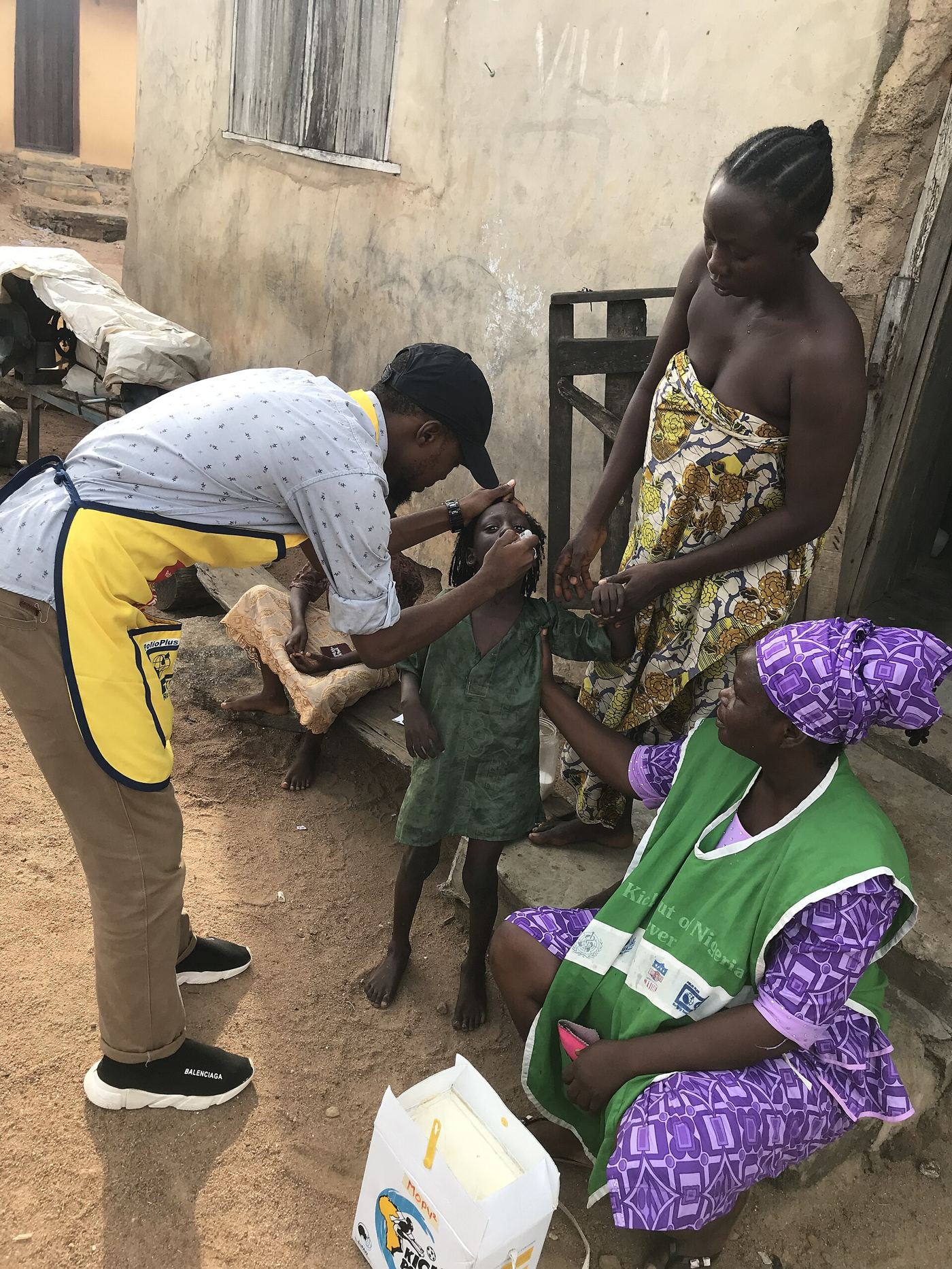
Malaria still kills around 600,000 people every year, most of them children under five in sub-Saharan Africa, and for decades the disease resisted every attempt at a vaccine. That changed with two World Health Organization recommended vaccines, RTS,S and R21/Matrix-M, which are now being added to routine childhood immunisation schedules across the continent. By the middle of 2026, 25 African countries had introduced a malaria vaccine, and more than 58 million doses had been delivered through UNICEF and the global vaccine alliance Gavi. The R21 vaccine, developed at the University of Oxford and produced by the Serum Institute of India, showed about 75 percent efficacy in seasonal settings in its phase three trial, and a pricing deal agreed in late 2025 is set to cut its cost to under three dollars a dose. Health officials describe the rollout as one of the fastest in Gavi’s history, and the alliance aims to reach at least 50 million more children by 2030.
What the Evidence Shows
The scale of the campaign matters because malaria is not only a health crisis but an economic one, keeping children out of school and parents out of work across the region. The vaccines are given in a four-dose schedule to young children, starting at around five or six months of age, and they work best alongside bed nets, indoor spraying and prompt treatment. Early pilot programmes in Ghana, Kenya and Malawi recorded a drop of about 13 percent in all-cause mortality among eligible children and a fall of more than a fifth in hospital admissions for severe malaria. Challenges remain, including funding shortfalls, cold-chain logistics in remote districts and the need for parents to return for booster doses. Even so, researchers say the programme proves that a vaccine against a complex parasite can be delivered at national scale, and work continues on next-generation vaccines, including mRNA candidates that could offer longer-lasting protection. Reporting and analysis from sources such as NASA track the same developments, and specialists following malaria vaccine rollout in Africa say the direction is now consistent across independent lines of evidence.
The Wider Context
Funding bodies are watching malaria vaccine rollout in Africa closely because the work sits at the junction of basic curiosity and practical return. Grant panels increasingly ask for a path from discovery to application, while researchers push back that the most valuable uses of fundamental science are rarely the ones written into the original proposal. The tension is productive when both sides stay honest about timescales.
What Happens Next
The long view on malaria vaccine rollout in Africa is that fields advance by accumulation rather than by single announcements. This result adds a solid, checkable piece to a structure many teams are building, and its authors have shared their data so the piece can be tested from every side. That is how the picture eventually becomes reliable enough to act on. You can follow related developments in our coverage of science.
It is also worth remembering how quickly the picture in this area has changed before. Positions that looked settled a few years ago have been revised as new data arrived, and the same humility is appropriate now. The strongest coverage of this subject, and the most useful advice, tends to come from sources that update their views openly when the facts move, rather than defending an earlier position long after it has stopped fitting the evidence available.
