
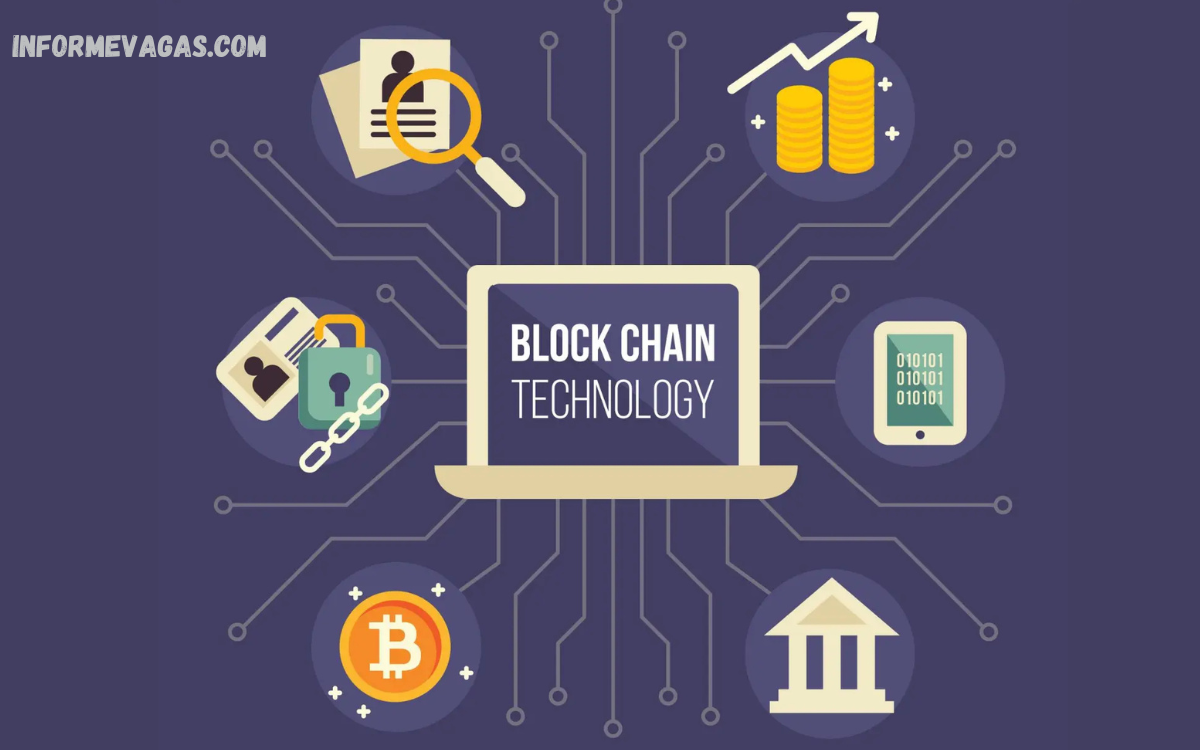
Blockchain technology is a revolutionary digital framework that enables secure, transparent, and decentralized record-keeping. At its core, a blockchain is a distributed ledger where data is stored in interconnected blocks, each cryptographically linked to the previous one, making it nearly impossible to alter past records without consensus from the network.
One of the most well-known applications of blockchain is in cryptocurrencies like Bitcoin and Ethereum, where it ensures secure, peer-to-peer transactions. Beyond finance, blockchain is transforming supply chain management by providing real-time tracking of goods, enhancing transparency, and reducing counterfeiting.
Blockchain in Financial Services
The most prominent blockchain technology applications are in the financial sector. Cryptocurrencies such as Bitcoin and Ethereum rely on blockchain to enable peer-to-peer transactions without banks or central authorities. This technology reduces transaction costs, prevents fraud, and provides real-time settlement.
Blockchain supports decentralized finance (DeFi) platforms, allowing lending, borrowing, and trading without intermediaries. Smart contracts automate agreements, enforce terms, and minimize human error. Financial institutions increasingly adopt blockchain for cross-border payments, asset management, and digital identity verification.
Supply Chain Management
Blockchain technology applications in supply chains improve transparency, traceability, and efficiency. Companies can track goods from manufacturing to delivery, ensuring authenticity and reducing counterfeit risks. Blockchain enables real-time monitoring of inventory, shipment status, and quality control. For industries like pharmaceuticals, food, and luxury goods, this technology ensures compliance with regulations and builds customer trust. Leading corporations integrate blockchain with IoT devices to capture data at every stage, creating a tamper-proof audit trail.
Healthcare Applications
Healthcare systems benefit significantly from blockchain technology applications. Patient records stored on blockchain are secure, easily accessible, and cannot be altered without consent. Hospitals and clinics can share medical data seamlessly while preserving privacy. Blockchain also streamlines clinical trials by providing transparent records, ensuring accurate reporting, and reducing data manipulation. Additionally, it aids in drug traceability, combating counterfeit medicines, and improving supply chain reliability. Blockchain’s ability to verify credentials ensures that only certified professionals access sensitive information.
Smart Contracts
Smart contracts represent one of the most transformative blockchain technology applications. These self-executing agreements automatically enforce terms when predefined conditions are met. Smart contracts reduce reliance on legal intermediaries, lower administrative costs, and eliminate human error. Industries like insurance, real estate, and logistics adopt smart contracts for claim processing, property transfers, and shipment verification. By enabling trustless interactions, smart contracts empower businesses to operate efficiently, with reduced risk of disputes or delays.
Digital Identity Management
Digital identity verification is a crucial area for blockchain technology applications. Blockchain allows individuals to maintain control over personal information while providing secure verification to institutions. Unlike traditional centralized systems, blockchain prevents data breaches and unauthorized access. Governments and private organizations use blockchain for citizen identification, secure login credentials, and cross-border verification. This technology ensures authenticity and reduces identity fraud, providing a secure and efficient alternative to conventional identity management methods.
Voting Systems
Blockchain technology applications extend to democratic processes through secure digital voting systems. Traditional voting methods face risks of manipulation, fraud, and lack of transparency. Blockchain-based voting ensures that every vote is recorded immutably, verifiable by all participants, and cannot be tampered with. These systems enhance trust, accessibility, and participation, especially in remote or large-scale elections. By implementing blockchain, governments and organizations can create transparent, secure, and efficient voting mechanisms.
Read Also: VPN and Internet Privacy Tools
Intellectual Property Protection
Intellectual property (IP) management benefits from blockchain technology applications. Artists, inventors, and creators can register and timestamp their work on blockchain, proving ownership and preventing unauthorized use. This approach reduces disputes over copyright, patents, and trademarks. Blockchain facilitates transparent royalty distribution, allowing creators to receive fair compensation automatically. Industries such as music, film, and software increasingly rely on blockchain to protect IP rights and ensure compliance with licensing agreements.
Real Estate and Property Management
Blockchain technology applications in real estate simplify property transactions, title management, and rental agreements. Traditional property processes involve multiple intermediaries, documentation delays, and potential fraud. Blockchain provides immutable records of ownership, automates transactions via smart contracts, and ensures transparent property history. Buyers, sellers, and regulators can access verified information quickly, reducing disputes and legal complexities. Real estate platforms increasingly integrate blockchain to streamline sales, leasing, and property management.
Energy Sector Applications
Energy companies leverage blockchain technology applications to enhance efficiency, transparency, and sustainability. Blockchain enables decentralized energy trading, allowing households and businesses to buy or sell excess energy directly. Smart grids powered by blockchain provide accurate consumption tracking, optimize distribution, and reduce losses. Renewable energy certificates and carbon credit systems benefit from blockchain by ensuring authenticity, transparency, and verifiability. These applications promote sustainable energy practices and operational efficiency.
Logistics and Transportation
Logistics and transportation industries benefit from blockchain technology applications through enhanced tracking, transparency, and operational efficiency. Blockchain enables accurate shipment monitoring, automated documentation, and tamper-proof records. Companies can reduce delays, prevent theft, and optimize delivery routes. Integration with IoT sensors allows real-time visibility of goods, ensuring compliance with regulatory standards and improving customer satisfaction. Blockchain transforms logistics into a secure, efficient, and reliable ecosystem.
Government Services
Blockchain technology applications in government services improve efficiency, transparency, and accountability. Public records, land registries, tax collection, and social welfare programs can be managed securely on blockchain. This reduces corruption, ensures accurate record-keeping, and simplifies auditing processes. Blockchain also enhances cross-agency collaboration, providing citizens with faster, reliable, and tamper-proof services. Governments worldwide are exploring blockchain to digitize processes and foster citizen trust.
Education and Credential Verification
Educational institutions use blockchain technology applications to verify academic credentials, certifications, and professional qualifications. Blockchain ensures authenticity, prevents forgery, and enables seamless verification by employers or other institutions.
Students maintain lifelong records of achievements, accessible globally without relying on centralized authorities. Universities and online learning platforms increasingly adopt blockchain to enhance trust, reduce administrative overhead, and ensure secure credential management.
Frequently Asked Questions
How is blockchain used in supply chains?
Blockchain provides transparency, traceability, and efficiency. It tracks goods from origin to delivery, prevents counterfeiting, and ensures regulatory compliance. Integration with IoT enhances real-time monitoring.
Can blockchain protect personal data?
Yes. Blockchain-based digital identity management allows individuals to control personal information, reducing the risk of data breaches and unauthorized access.
What are smart contracts?
Smart contracts are self-executing agreements stored on a blockchain. They automatically enforce terms when conditions are met, reducing reliance on intermediaries and preventing disputes.
How does blockchain benefit healthcare?
Blockchain secures patient records, enables safe sharing, improves clinical trial transparency, and ensures drug traceability, reducing counterfeit risks and improving overall healthcare efficiency.
Can blockchain improve government services?
Yes. Blockchain improves transparency, accountability, and efficiency in public records, land registries, tax collection, and social welfare programs. It reduces corruption and simplifies auditing processes.
Is blockchain energy-efficient?
Traditional blockchain networks like Bitcoin consume significant energy, but newer systems (Proof-of-Stake, private blockchains) are energy-efficient and support sustainable applications like decentralized energy trading.
What is the future of blockchain technology applications?
Blockchain adoption will continue across industries, enhancing security, transparency, and operational efficiency. Its applications will expand in finance, healthcare, logistics, governance, education, and digital identity, transforming traditional systems globally.
Conclusion
Blockchain technology applications span industries, offering solutions for security, transparency, and efficiency. From finance and healthcare to logistics, real estate, and government services, blockchain transforms traditional processes into decentralized, trustworthy systems. Smart contracts, digital identities, and immutable ledgers create trustless environments, reducing intermediaries, preventing fraud, and increasing operational efficiency.
