
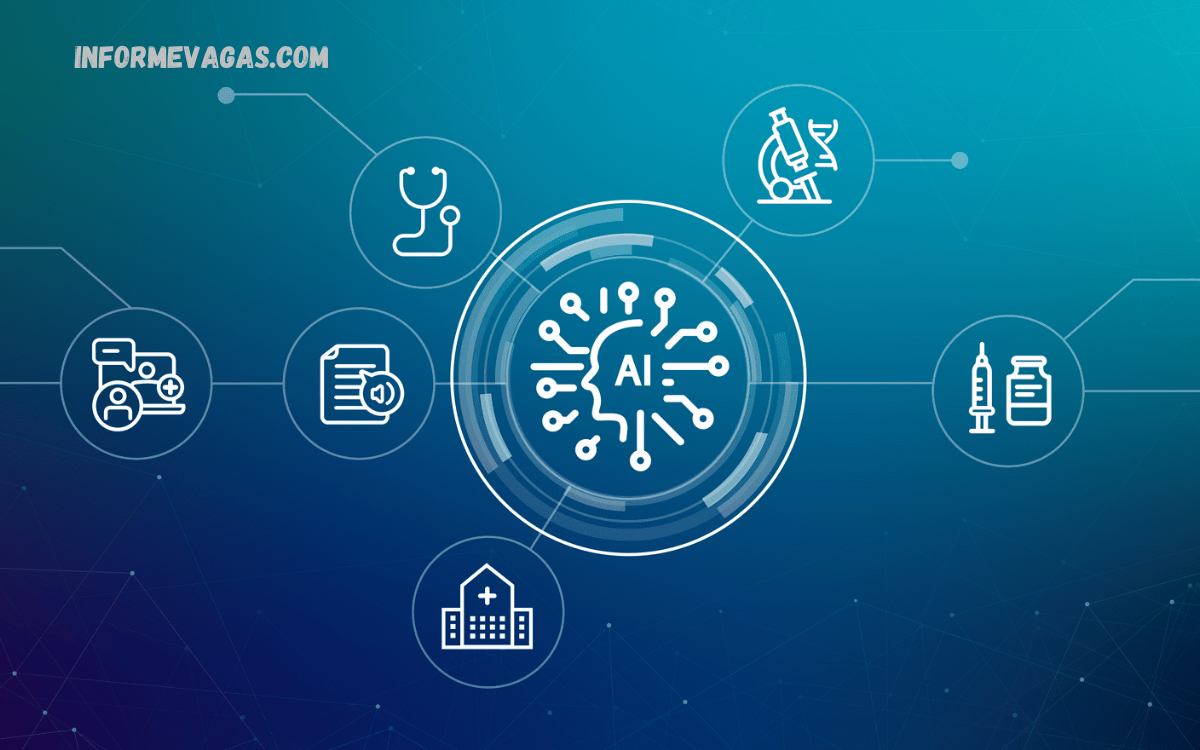
Artificial intelligence is reshaping healthcare at an unprecedented pace, and by 2026 its impact is more visible, practical, and patient focused than ever before. AI is no longer limited to experimental tools or research labs; it has become a core part of modern healthcare systems worldwide.
In 2026, healthcare providers rely on AI powered diagnostics to analyze medical images, lab results, and patient data with exceptional precision. This reduces human error, shortens diagnosis time, and improves clinical decision making.
Evolution of AI in Healthcare
AI adoption in healthcare did not happen overnight. Early systems focused on rule based automation and basic data analysis. Over time, machine learning and deep learning models enabled computers to learn from vast datasets and recognize complex patterns. By 2026, AI systems process clinical records, genomic data, medical images, wearable sensor data, and population health statistics at scale.
Healthcare organizations now integrate AI across departments rather than using isolated tools. Electronic health records connect with AI engines that support diagnosis, treatment planning, and follow up care. This evolution marks a shift from reactive healthcare toward predictive and preventive models.
AI-Powered Diagnostics and Early Disease Detection
One of the most significant ways AI is transforming healthcare in 2026 involves diagnostics. AI algorithms analyze medical images such as X rays, MRIs, CT scans, and ultrasounds with remarkable accuracy. These systems detect subtle abnormalities that human eyes may overlook, leading to earlier and more reliable diagnoses.
AI assists in identifying cancers, cardiovascular conditions, neurological disorders, and infectious diseases at early stages. Early detection improves survival rates, reduces treatment costs, and enhances quality of life. In pathology, AI analyzes tissue samples and blood tests, supporting faster and more consistent results.
Personalized Medicine and Precision Treatment
AI is transforming healthcare in 2026 by enabling personalized medicine at scale. Traditional treatments often follow generalized protocols. AI driven systems analyze genetic information, lifestyle data, medical history, and environmental factors to recommend personalized treatment plans.
In oncology, AI helps select therapies based on tumor genetics and patient response patterns. In cardiology, AI models predict how individual patients respond to medications. This precision approach minimizes side effects and improves treatment effectiveness.
Predictive Analytics and Preventive Healthcare
Predictive analytics represents a major shift in healthcare delivery. AI systems analyze historical and real time data to identify patients at risk before symptoms appear. In 2026, healthcare providers use predictive models to anticipate chronic disease progression, hospital readmissions, and potential complications.
Preventive care becomes proactive rather than reactive. AI alerts clinicians about patients who need early intervention, lifestyle changes, or monitoring. Population health management improves as public health agencies use AI to track disease trends and allocate resources effectively.
Virtual Care and AI Driven Patient Engagement
AI is transforming healthcare in 2026 through virtual care platforms and digital assistants. Virtual health assistants guide patients through symptom assessment, appointment scheduling, medication reminders, and post treatment care. These tools improve patient engagement and adherence to treatment plans.
Telemedicine platforms integrate AI triage systems that assess patient concerns and prioritize care. Remote monitoring devices powered by AI track vital signs and alert clinicians about potential issues. Chronic disease management becomes more efficient as patients receive continuous support without frequent hospital visits.
This model increases accessibility, especially for rural and underserved populations, while reducing pressure on healthcare facilities.
Read Also: 10 Simple Daily Habits for Better Mental Health
Robotics and AI Assisted Surgery
Surgical care has advanced significantly due to AI and robotics. In 2026, AI assisted surgical systems enhance precision, reduce invasiveness, and improve recovery times. Surgeons use AI powered imaging and guidance tools to plan procedures and navigate complex anatomy.
Robotic systems support minimally invasive surgeries, reducing complications and hospital stays. AI algorithms analyze surgical data to recommend best practices and improve training for medical professionals. These advancements raise surgical safety and consistency across healthcare institutions.
AI in Medical Administration and Operations
Beyond clinical care, AI is transforming healthcare in 2026 by optimizing administrative operations. Hospitals use AI to automate scheduling, billing, claims processing, and documentation. Natural language processing converts clinical conversations into structured records, reducing paperwork for healthcare professionals.
Operational efficiency improves as AI predicts patient flow, optimizes staffing, and manages supply chains. These improvements reduce operational costs and allow clinicians to spend more time on patient care rather than administrative tasks.
Data Security, Ethics, and Trust
As AI adoption grows, data security and ethics remain critical priorities. Healthcare organizations implement advanced encryption, privacy frameworks, and regulatory compliance measures to protect patient data. AI models undergo rigorous validation to ensure transparency, fairness, and reliability.
Ethical AI guidelines emphasize accountability and human oversight. Clinicians remain responsible for final decisions, with AI serving as a supportive tool. Building trust among patients and providers ensures sustainable AI integration across healthcare systems.
Workforce Transformation and Skill Development
AI is transforming healthcare roles rather than eliminating them. Healthcare professionals develop new skills to work alongside AI tools. Training programs focus on data literacy, AI interpretation, and digital health workflows.
Clinicians gain support from AI, allowing them to focus on empathy, communication, and complex decision making. This collaboration enhances job satisfaction and improves patient relationships.
Global Impact of AI in Healthcare
AI is transforming healthcare in 2026 on a global scale. Developing regions benefit from AI powered diagnostics and telemedicine, addressing shortages of medical specialists. Public health initiatives use AI to manage outbreaks and improve vaccination strategies.
International collaboration accelerates innovation as shared data and research platforms drive advancements. AI contributes to more equitable healthcare access worldwide.
Challenges and Limitations
Despite progress, challenges remain. Data quality, interoperability, and algorithm bias require ongoing attention. Healthcare systems must ensure that AI models represent diverse populations to avoid disparities.
Regulatory frameworks continue to evolve, balancing innovation with patient safety. Investment in infrastructure and training remains essential for successful AI adoption.
Future Outlook Beyond 2026
The future of healthcare extends beyond current capabilities. AI will integrate further with genomics, wearable technology, and real time analytics. Predictive models will become more accurate, and personalized care will reach new levels of precision.
Human centered AI design will strengthen trust and collaboration between technology and clinicians. Healthcare will continue shifting toward prevention, personalization, and accessibility.
Frequently Asked Questions
Is AI safe to use in medical treatments?
AI systems follow strict validation, regulatory standards, and ethical guidelines, making them safe when used with human oversight.
How does AI help in early disease detection?
AI analyzes medical images, lab results, and patient data to identify early signs of diseases, enabling timely intervention.
What role does AI play in personalized medicine?
AI creates customized treatment plans by analyzing genetics, lifestyle, and medical history for better outcomes.
How does AI improve patient care at home?
AI powered wearables and virtual assistants monitor health, send alerts, and guide patients in daily care routines.
What are the benefits of AI in hospital management?
AI automates scheduling, documentation, billing, and resource planning, improving efficiency and reducing costs.
Are patient data and privacy protected with AI?
Healthcare organizations use strong security frameworks, encryption, and compliance policies to protect patient information.
What is the future of AI in healthcare after 2026?
AI will further enhance preventive care, precision medicine, remote monitoring, and global healthcare access.
Conclusion
AI is transforming healthcare in 2026 by redefining how care is delivered, managed, and experienced. From diagnostics and personalized treatment to virtual care and operational efficiency, AI driven solutions improve accuracy, accessibility, and outcomes. While challenges exist, responsible implementation and ethical oversight ensure long term success.
The transformation underway represents a new era where technology empowers healthcare professionals and places patients at the center of care. As innovation continues, AI will remain a driving force shaping the future of global healthcare.
