
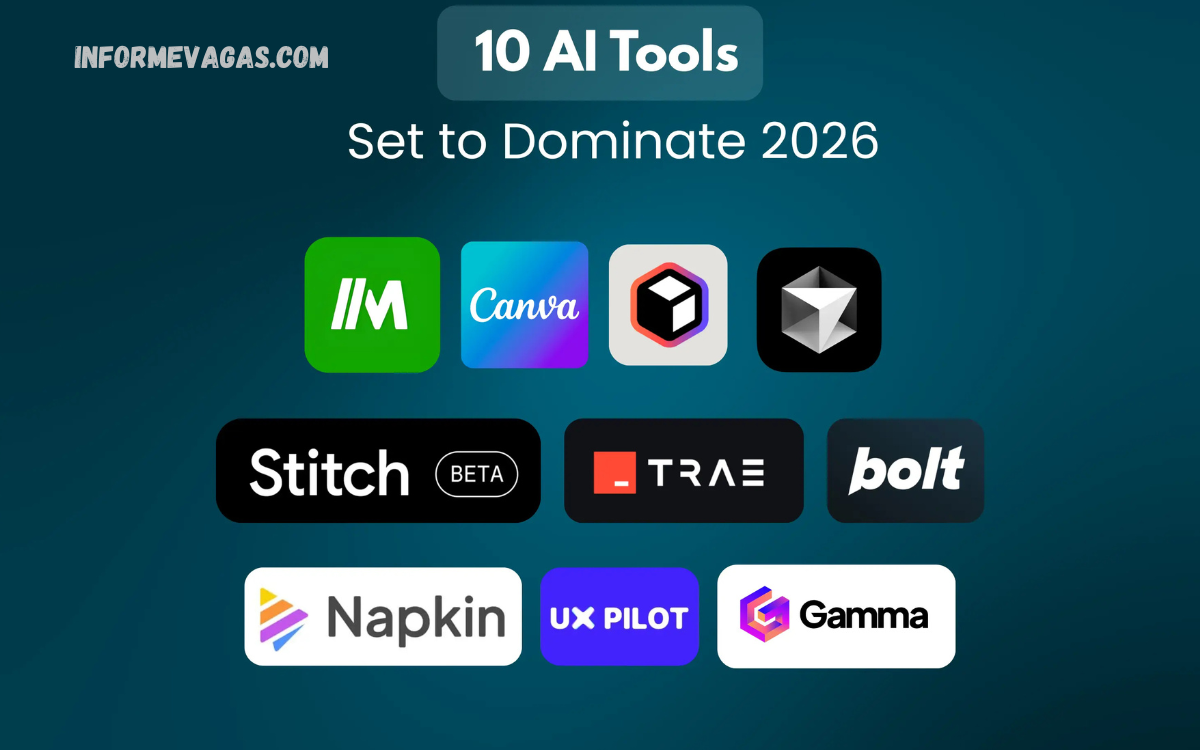
Artificial intelligence (AI) tools have become more powerful, accessible, and indispensable across industries. From creative fields like content generation, graphic design, and video production to technical domains such as data analysis, cybersecurity, and software development, AI is reshaping the way individuals and businesses operate. Modern AI tools leverage advanced machine learning models, natural language processing, and predictive analytics to deliver solutions faster and more accurately than ever before.
AI tools will not only automate routine tasks but also augment human creativity and decision-making. Platforms now offer personalized recommendations, real-time collaboration features, and adaptive interfaces that learn from user behavior. This evolution has democratized access to sophisticated technologies, allowing startups, educators, and freelancers to compete on a global scale.
Evolution of AI Tools
AI tools have evolved from simple automation programs to intelligent systems capable of reasoning, problem-solving, and learning from data. Early AI systems in the 2010s focused primarily on repetitive tasks, such as data entry or rule-based decision-making. By the mid-2020s, AI tools integrated deep learning algorithms, enabling advanced capabilities like predictive analytics, sentiment analysis, and content generation.
The integration of AI with cloud computing and edge devices allows seamless access to tools anywhere, supporting remote teams, freelancers, and large enterprises alike. Tools now adapt to user behavior, offering predictive suggestions, automating workflows, and even generating original creative outputs with minimal input.
Key Categories of AI Tools for 2026
1. AI Content Generation Tools
Content creation remains one of the most significant areas benefiting from AI tools for 2026. Advanced AI writing assistants now produce high-quality articles, marketing copy, scripts, and technical documentation in minutes. These tools leverage large language models to understand context, tone, and audience preferences, providing content that aligns with brand strategies.
Visual content creation has also been revolutionized. AI design tools generate graphics, logos, and videos automatically, reducing reliance on extensive manual design efforts. Video production tools now offer automated editing, voiceovers, and subtitling, making multimedia creation more efficient for marketers, educators, and entertainers.
2. AI Analytics Tools
Businesses increasingly depend on data-driven decisions. AI analytics tools for 2026 can process vast datasets in real time, uncover trends, and provide actionable insights. Predictive analytics enables forecasting customer behavior, optimizing supply chains, and identifying market opportunities before competitors.
These tools integrate seamlessly with existing enterprise systems, including CRM, ERP, and marketing platforms. Machine learning models automatically detect anomalies, flag risks, and recommend corrective actions, helping organizations reduce errors and optimize operations efficiently.
3. AI Automation Tools
Automation remains a critical application of AI tools for 2026. Robotic Process Automation (RPA) now combines with AI to handle complex workflows that previously required human intervention. Tasks such as invoice processing, customer support, and data reconciliation can now be executed autonomously.
Intelligent automation tools also enable cross-department collaboration. For example, AI systems can coordinate between sales, finance, and operations, streamlining approvals and accelerating project timelines. In industries like manufacturing and logistics, AI-driven robots optimize production lines and warehouse management with unprecedented efficiency.
4. AI Tools for Software Development
Software development has been transformed by AI tools for 2026. AI-powered code generators assist developers by suggesting code snippets, debugging errors, and optimizing algorithms. These tools accelerate development cycles and reduce human error.
Beyond coding, AI tools now assist in software testing, quality assurance, and performance monitoring. Predictive AI identifies potential system failures, ensuring software reliability and minimizing downtime. Collaboration platforms also integrate AI to facilitate knowledge sharing, project tracking, and real-time code analysis.
5. AI in Healthcare
Healthcare is a sector experiencing profound transformation due to AI tools for 2026. Diagnostic AI systems analyze medical images, detect anomalies, and assist doctors in making accurate decisions. Predictive models identify patients at risk of chronic diseases, enabling early intervention.
AI-driven platforms also enhance patient experience through virtual health assistants, automated appointment scheduling, and personalized treatment recommendations. Researchers use AI to accelerate drug discovery and simulate clinical trials, significantly reducing time-to-market for new therapies.
6. AI Tools for Education
Education in 2026 benefits from adaptive learning AI tools. These platforms personalize learning experiences based on student performance, learning style, and engagement levels. AI tools provide real-time feedback, tutoring, and assessment analysis, improving learning outcomes.
Institutions utilize AI tools for curriculum optimization, resource allocation, and administrative tasks. Virtual classrooms equipped with AI-driven analytics help educators monitor participation, engagement, and comprehension, enabling data-driven teaching strategies.
Read Also: Best Home Workouts to Stay Fit Without a Gym
7. AI Tools for Creativity and Entertainment
AI tools for 2026 empower creators across music, art, literature, and gaming. Generative AI creates original compositions, artwork, and immersive experiences, allowing artists to explore new ideas and reduce production time.
Gaming studios utilize AI to generate realistic environments, adaptive gameplay, and intelligent non-player characters (NPCs). AI-driven animation tools streamline visual effects production, making high-quality content creation accessible even to small teams.
Advantages of AI Tools for 2026
- Enhanced Productivity: AI tools automate repetitive tasks, freeing human resources for strategic work.
- Data-Driven Insights: AI uncovers patterns and insights, enabling better business and operational decisions.
- Personalization: AI adapts solutions to user preferences, improving engagement and satisfaction.
- Cost Efficiency: Automation reduces labor costs and operational inefficiencies.
- Innovation: AI facilitates experimentation and rapid prototyping, accelerating product and service innovation.
Challenges and Ethical Considerations
While AI tools for 2026 offer immense benefits, challenges remain. Data privacy, algorithmic bias, and transparency require careful management. Organizations must adopt ethical AI frameworks to ensure responsible usage. Additionally, workforce adaptation remains crucial as AI reshapes roles and skill requirements.
Collaboration between humans and AI is critical. AI tools are designed to augment human capabilities rather than replace them entirely. Training programs and upskilling initiatives ensure that employees can leverage AI effectively while maintaining oversight and creativity.
Future Outlook of AI Tools
AI tools for 2026 mark only the beginning of a transformative era. Future developments will focus on increasing adaptability, context-awareness, and emotional intelligence. Tools will integrate more seamlessly with human workflows, anticipating needs and providing proactive support.
The convergence of AI with technologies like augmented reality (AR), virtual reality (VR), and the Internet of Things (IoT) will create immersive, intelligent environments. Businesses, educators, and creators who embrace AI tools for 2026 will gain a competitive edge, driving innovation, efficiency, and growth in the coming years.
Conclusion
AI tools for 2026 are no longer futuristic concepts; they are practical, accessible, and transformative technologies shaping industries worldwide. From content creation and analytics to healthcare, education, and creative fields, these tools empower users to work smarter, innovate faster, and make data-driven decisions. Ethical considerations, workforce adaptation, and responsible usage will define how effectively organizations and individuals leverage AI in 2026 and beyond.
As AI continues to evolve, understanding, integrating, and utilizing these tools will be essential for staying competitive in a rapidly advancing digital landscape. AI tools for 2026 are more than automation they are collaborators, advisors, and creators, redefining the future of work, creativity, and human potential.
