
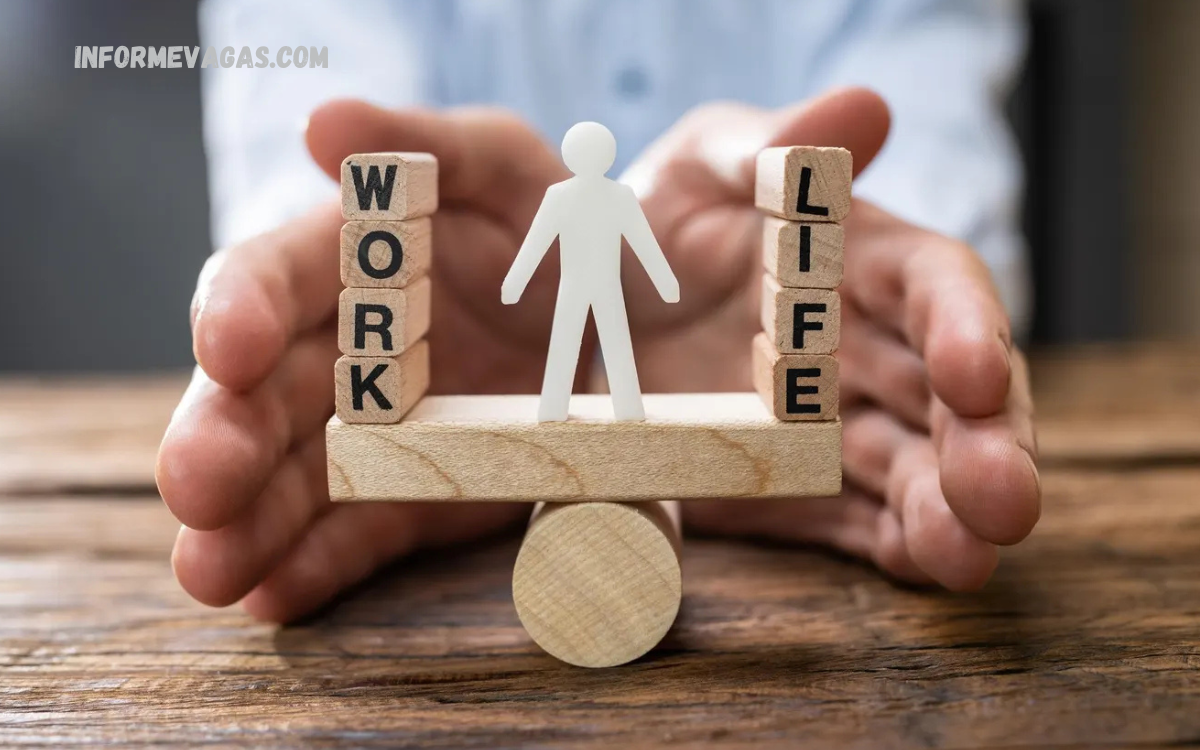
Achieving a healthy work-life balance is essential for long-term success, personal satisfaction, and overall well-being. In today’s fast-paced world, individuals often struggle to manage professional responsibilities while maintaining their personal lives.
A healthy work-life balance supports mental clarity, emotional stability, and physical health. When people allocate time for rest, family, hobbies, and self-care, they return to work with renewed energy and focus. This balance improves decision-making, creativity, and motivation, which directly contributes to higher quality performance.
Impact of Work-Life Balance on Mental Health
Mental health is closely linked to daily habits and workload. Continuous work pressure increases stress levels, anxiety, and emotional fatigue. A lack of balance often leads to burnout, which reduces motivation and concentration.
The importance of achieving a healthy work-life balance lies in mental stability. Time away from work helps the mind recover. Activities such as exercise, reading, social interaction, or creative hobbies improve emotional strength. A relaxed mind supports better decision-making and problem-solving at work.
Physical Health Benefits of Work-Life Balance
Physical health often suffers when work dominates daily life. Long sitting hours, irregular meals, lack of sleep, and limited movement weaken the body. Over time, these habits increase the risk of health problems.
Achieving a healthy work-life balance is important for protecting physical well-being. Proper rest, regular exercise, and healthy eating become possible when time is managed well. A balanced schedule supports better sleep patterns and stronger immunity.
Productivity and Performance Improvement
The importance of achieving a healthy work-life balance is clear in productivity levels. Balanced individuals complete work with better focus and accuracy. Short breaks and personal time help restore energy. This leads to higher quality results in less time.
Productivity improves when work hours are used effectively. Balanced routines encourage planning, prioritization, and goal clarity. Employees with balanced lives often show stronger commitment and consistent performance.
Role of Work-Life Balance in Career Growth
The importance of achieving a healthy work-life balance includes sustainable career development. Balanced professionals remain motivated and open to learning. They adapt better to challenges and handle pressure with confidence.
Career growth depends on creativity, communication, and leadership skills. These qualities improve when individuals feel mentally refreshed and emotionally stable. Balance supports continuous improvement and long-term success.
Strengthening Personal Relationships
Personal relationships need time and attention. Family, friends, and social connections provide emotional support and happiness. Work overload often damages these relationships.
The importance of achieving a healthy work-life balance extends to personal life quality. Spending time with loved ones builds trust and understanding. Strong relationships reduce stress and increase life satisfaction.
Work-Life Balance for Remote and Digital Workers
Remote work and digital platforms offer flexibility but also increase work hours. Many remote workers struggle to separate professional and personal time.
The importance of achieving a healthy work-life balance is critical in remote work environments. Setting clear work hours, dedicated workspaces, and digital boundaries protects personal time. Balanced remote workers avoid constant availability and maintain focus during work hours.
Employer Perspective on Work-Life Balance
Organizations play a major role in supporting balance. Healthy work cultures encourage reasonable workloads, flexible schedules, and mental health awareness.
The importance of achieving a healthy work-life balance benefits employers as well. Balanced employees show higher engagement, loyalty, and job satisfaction. Absenteeism and turnover rates decrease when employees feel valued.
Work-Life Balance and Stress Management
The importance of achieving a healthy work-life balance includes effective stress management. Balanced routines allow time for relaxation and recovery. Stress levels reduce when individuals feel supported and in control.
Stress management improves emotional regulation and decision-making. Balanced individuals respond calmly to challenges and maintain focus during pressure situations.
Read Also: Artificial Intelligence in Modern Healthcare
Building Healthy Work-Life Balance Habits
Time management plays a key role. Setting priorities and realistic goals prevents overload. Regular breaks during work hours improve concentration. Clear boundaries between work and personal life protect mental space.
The importance of achieving a healthy work-life balance depends on consistent habits. Learning to disconnect from work after hours supports recovery. Scheduling personal activities ensures time for self-care and enjoyment.
Role of Self-Care in Work-Life Balance
The importance of achieving a healthy work-life balance includes regular self-care practices. These activities restore energy and improve mood. Self-care strengthens resilience against stress and fatigue.
Balanced individuals recognize personal limits and respect their health needs. This awareness supports long-term productivity and happiness.
Cultural Shift Toward Balanced Living
The importance of achieving a healthy work-life balance reflects this shift. People seek meaningful work that supports personal values. Balanced living improves life satisfaction and professional fulfillment.
Organizations that adapt to this shift remain competitive and innovative. Balanced cultures support creativity and collaboration.
Long-Term Benefits of Work-Life Balance
Work-life balance supports long-term well-being. It prevents chronic stress and health problems. Balanced individuals maintain enthusiasm and purpose in life.
The importance of achieving a healthy work-life balance becomes clear over time. Career longevity, stable relationships, and personal happiness depend on balance. Short-term effort without balance leads to long-term loss.
Frequently Asked Questions
How does work-life balance impact physical health?
It supports better sleep, regular exercise, healthy eating habits, and stronger immunity.
Is work-life balance important for career growth?
Yes, it supports long-term career development by preventing burnout and maintaining motivation and creativity.
How can employees achieve a healthy work-life balance?
By managing time effectively, setting boundaries, taking regular breaks, and prioritizing personal well-being.
Why should employers support work-life balance?
Balanced employees show higher engagement, loyalty, and job satisfaction, benefiting organizational growth.
Does remote work affect work-life balance?
Remote work can blur boundaries, making balance more challenging without clear schedules and limits.
Is work-life balance achievable in demanding careers?
Yes, with proper planning, realistic goals, and healthy habits, balance is achievable in any profession.
Conclusion
The importance of achieving a healthy work-life balance cannot be ignored in modern life. Balance supports mental health, physical well-being, productivity, and career growth. It strengthens relationships and improves overall life quality. Balanced routines help individuals work with focus and live with satisfaction.
Achieving balance requires awareness, planning, and consistent habits. It is not about reducing ambition but about protecting health and happiness.
