
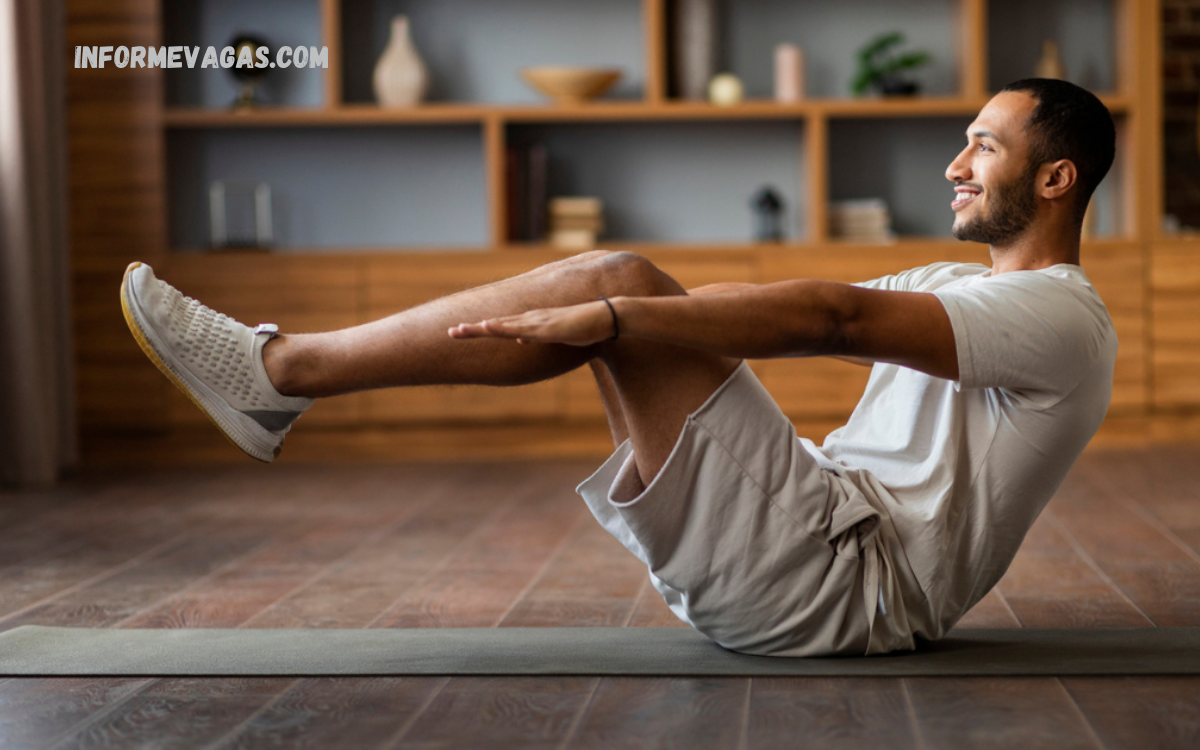
Staying fit no longer requires an expensive gym membership or bulky equipment. With the right approach, best home workouts to stay fit without a gym can deliver powerful results while saving time and money. Home workouts are ideal for busy schedules, beginners, and anyone who prefers privacy and flexibility.
Home fitness routines focus on natural movements like squats, push-ups, planks, lunges, and core exercises that activate multiple muscle groups at once. These workouts enhance overall fitness, improve posture, and boost metabolism without putting excessive stress on the joints.
Why Choose Home Workouts Instead of Gym Training?
Home workouts provide unmatched flexibility and control. Training time adjusts easily around work, family, or travel. No waiting for equipment. No crowded spaces. No travel delays.
Another advantage includes financial savings. Gym fees, travel expenses, and costly supplements add up quickly. Home workouts require minimal investment while delivering consistent progress.
Core Principles Behind Effective Home Workouts
Successful home fitness relies on structured planning and correct technique. Bodyweight movements engage multiple muscle groups, promoting functional strength and balance.
Key principles include:
- Progressive overload through reps, time, or variations
- Balanced routines targeting full body
- Proper warm-up and cooldown
- Regular recovery and hydration
Following these principles ensures safety, steady improvement, and sustainable results.
Best Home Workouts to Stay Fit Without a Gym
Bodyweight Strength Training
Bodyweight exercises form the foundation of home workouts. These movements build strength using natural resistance.
Effective exercises include:
- Push-ups for chest, shoulders, arms
- Squats for legs, glutes
- Lunges for balance, lower body strength
- Planks for core stability
- Glute bridges for hip strength
These workouts improve muscle tone, joint health, and posture without equipment.
Cardio Workouts at Home
Cardio training improves heart health, stamina, and fat loss. Home cardio routines require small space and short duration.
Popular cardio exercises:
- Jumping jacks
- High knees
- Mountain climbers
- Burpees
- Shadow boxing
Short sessions increase metabolism and burn calories effectively.
High-Intensity Interval Training
HIIT combines strength and cardio for maximum efficiency. Short intense bursts followed by brief recovery periods push the body into fat-burning mode.
HIIT benefits include:
- Time efficiency
- Improved endurance
- Fat reduction
- Muscle retention
- HIIT suits people with limited time and delivers rapid fitness improvements.
Core and Abs Workouts
Strong core muscles support posture, balance, and injury prevention. Home core workouts require no tools.
Core exercises include:
- Plank holds
- Leg raises
- Bicycle crunches
- Russian twists
- Hollow body holds
Consistent core training enhances strength across all movements.
Flexibility and Mobility Training
Flexibility improves movement quality and reduces injury risk. Stretching routines maintain joint health and muscle elasticity.
Mobility practices include:
- Dynamic warm-ups
- Static stretching
- Yoga poses
- Controlled breathing
Flexibility training supports recovery and long-term fitness.
Read Also: How AI Is Transforming Healthcare in 2026
Yoga Workouts at Home
Yoga blends strength, balance, flexibility, and mental clarity. Home yoga sessions enhance posture, breathing, and stress control.
Yoga benefits include:
- Improved flexibility
- Reduced anxiety
- Better sleep quality
- Enhanced muscle tone
Yoga complements strength and cardio routines perfectly.
Sample Weekly Home Workout Plan
Day 1: Full-body strength
Day 2: Cardio and HIIT
Day 3: Core and mobility
Day 4: Lower body strength
Day 5: Upper body strength
Day 6: Yoga or stretching
Day 7: Active recovery
This structure balances intensity, recovery, and progression.
How to Progress Without Gym Equipment
Progress remains possible through creative adjustments:
- Increase repetitions
- Extend workout duration
- Slow movement tempo
- Add exercise variations
- Reduce rest intervals
These methods maintain challenge and promote muscle growth.
Nutrition Support for Home Workouts
Workout results depend heavily on nutrition. Balanced meals support energy, recovery, and muscle repair.
Key nutrition habits:
- Protein intake for muscle maintenance
- Complex carbohydrates for energy
- Healthy fats for hormone balance
- Proper hydration
Simple diet discipline amplifies workout effectiveness.
Common Mistakes During Home Workouts
Avoid these errors for optimal results:
- Skipping warm-ups
- Poor exercise form
- Inconsistent training
- Overtraining without recovery
- Ignoring flexibility work
Correcting these habits ensures steady improvement.
Mental Benefits of Home Fitness
Physical activity improves mental health. Home workouts reduce stress, boost confidence, and improve focus. Exercise releases endorphins that enhance mood and emotional balance.
Fitness routines also create discipline and routine, strengthening mental resilience.
Staying Motivated at Home
Motivation remains critical for success. Set clear goals, track progress, and follow structured plans. Music, workout apps, or virtual challenges add variety.
Consistency matters more than intensity. Small daily efforts build long-term transformation.
Best Home Workouts for Beginners
Beginners should focus on mastering basic movements:
- Wall push-ups
- Bodyweight squats
- Marching cardio
- Modified planks
Gradual progression prevents injury and builds confidence.
Advanced Home Workout Options
Advanced individuals can increase difficulty through:
- Plyometric exercises
- One-leg movements
- Isometric holds
- Complex circuits
Advanced routines maintain challenge without machines.
Equipment-Free vs Minimal Equipment Training
Equipment-free workouts suit beginners and minimalists. Resistance bands, dumbbells, or yoga mats enhance variety but remain optional.
Fitness success depends on commitment, not equipment.
Frequently Asked Questions
Which home workout helps with weight loss?
HIIT, cardio circuits, and full-body strength workouts support calorie burn and fat reduction effectively.
Can muscle growth happen without gym equipment?
Muscle growth occurs through bodyweight resistance, increased repetitions, slow tempo training, and advanced exercise variations.
How many days per week should home workouts happen?
Four to six workout days per week maintain fitness while allowing proper recovery and flexibility training.
Do home workouts improve flexibility and posture?
Stretching, yoga, and mobility exercises improve posture, joint health, and movement quality.
What space is required for home workouts?
A small room or open floor area provides enough space for most home workout routines.
How to stay motivated while exercising at home?
Setting goals, tracking progress, following routines, and maintaining consistency keep motivation strong.
Are home workouts safe without professional supervision?
Home workouts remain safe when proper form, warm-ups, and gradual progression remain a priority.
Conclusion
Best home workouts for staying fit without a gym offer a sustainable, affordable, and flexible fitness solution. With correct planning, discipline, and consistency, home training delivers strength, endurance, flexibility, and mental clarity.
A gym never defines fitness success. Daily effort, smart routines, and healthy habits build lasting results.
