
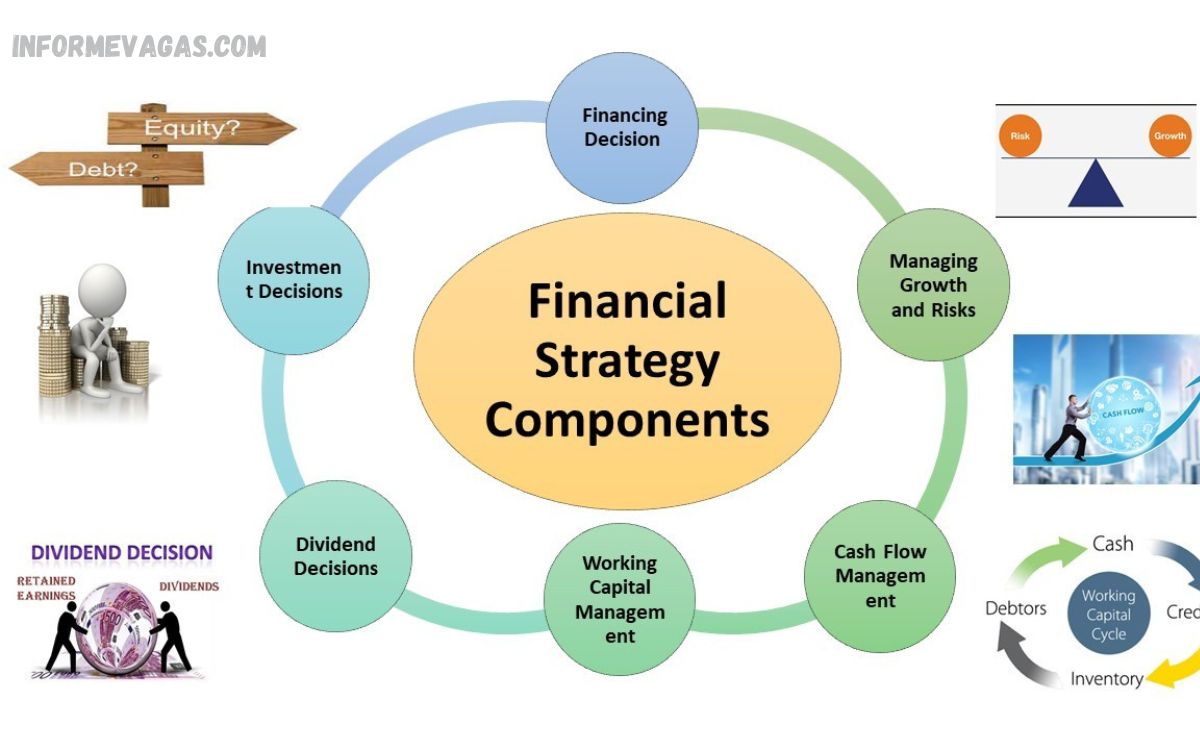
Financial planning is a critical component of business success, helping organizations manage resources effectively, achieve financial stability, and support long-term growth. In today’s competitive business environment, companies must develop strategic financial plans to navigate economic uncertainties, control expenses, and maximize profitability.
Businesses of all sizes face financial challenges, from fluctuating market conditions to rising operational costs. Effective financial planning strategies enable business owners and managers to identify potential risks, allocate resources efficiently, and make informed decisions that align with organizational goals.
Importance of Financial Planning for Businesses
Financial planning influences every aspect of business operations. Strong financial management helps organizations maintain stability while supporting expansion and innovation.
Key benefits include:
- Better decision-making
- Improved cash flow management
- Enhanced profitability
- Reduced financial risks
- Greater operational efficiency
- Stronger investor confidence
- Sustainable long-term growth
Without a structured financial plan, businesses often struggle with overspending, poor resource allocation, and unexpected financial challenges.
Establish Clear Financial Goals
Successful financial planning begins with clear and measurable goals. Businesses need objectives that align with overall organizational strategy.
Examples include:
Short-Term Goals
- Increase monthly revenue
- Reduce operating expenses
- Improve cash reserves
- Pay outstanding liabilities
Long-Term Goals
- Expand into new markets
- Launch new products
- Increase market share
- Build long-term wealth
- Strengthen company valuation
Clear financial goals provide direction and create benchmarks for measuring progress.
Create a Comprehensive Business Budget
Budgeting remains one of the most important financial planning strategies for businesses. A comprehensive budget helps organizations monitor spending, allocate resources, and maintain financial discipline.
Components of a Business Budget
Revenue Projections
Estimate expected income from products, services, subscriptions, and other revenue sources.
Fixed Expenses
Include costs such as:
- Rent
- Salaries
- Insurance
- Software subscriptions
- Loan repayments
Variable Expenses
Examples include:
- Marketing costs
- Utility bills
- Production expenses
- Shipping fees
Emergency Reserve Funds
Allocate funds for unexpected expenses or economic disruptions.
Regular budget reviews ensure spending remains aligned with business objectives.
Strengthen Cash Flow Management
Cash flow represents the movement of money into and out of a business. Even profitable companies can face financial difficulties due to poor cash flow management.
Strategies for Improving Cash Flow
Accelerate Receivables
- Offer early payment discounts
- Send invoices promptly
- Automate payment reminders
Control Payables
- Negotiate favorable payment terms
- Schedule payments strategically
- Avoid unnecessary penalties
Maintain Cash Reserves
Emergency reserves provide protection against unexpected challenges.
Monitor Cash Flow Regularly
Weekly and monthly cash flow reviews help identify potential problems before they become serious.
Strong cash flow management supports daily operations and future growth initiatives.
Read Also: Complete Guide to Business Analytics for Data-Driven Decision Making
Implement Accurate Financial Forecasting
Financial forecasting helps businesses anticipate future financial performance based on historical data, market trends, and strategic goals.
Benefits of Financial Forecasting
- Improved planning accuracy
- Better resource allocation
- Enhanced risk management
- Increased investor confidence
Types of Financial Forecasts
Revenue Forecasting
Predict future sales based on market conditions and historical performance.
Expense Forecasting
Estimate future operating costs and investment requirements.
Cash Flow Forecasting
Project incoming and outgoing cash over specific periods.
Profit Forecasting
Estimate future profitability based on revenue and expense projections.
Regular forecasting supports proactive decision-making and long-term stability.
Control Operating Expenses
Expense management directly impacts profitability. Businesses should continuously evaluate costs and eliminate inefficiencies.
Expense Reduction Strategies
Automate Repetitive Tasks
Automation reduces labor costs and improves productivity.
Review Vendor Contracts
Negotiating better supplier agreements can reduce expenses significantly.
Improve Operational Efficiency
Streamline workflows and eliminate unnecessary processes.
Monitor Spending Patterns
Analyze financial reports to identify wasteful expenditures.
Lower operating costs create opportunities for increased profitability and reinvestment.
Diversify Revenue Streams
Revenue diversification reduces dependence on a single income source and strengthens financial stability.
Diversification Strategies
Introduce New Products
Expand product offerings to attract additional customers.
Develop New Services
Create complementary services that generate recurring revenue.
Enter New Markets
Expand geographically or target new customer segments.
Create Subscription Models
Recurring revenue improves predictability and financial stability.
Diversified revenue streams increase resilience during economic downturns.
Manage Business Debt Strategically
Debt can support growth when managed effectively. However, excessive debt creates financial pressure and increases risk.
Debt Management Best Practices
Prioritize High-Interest Debt
Pay down expensive debt as quickly as possible.
Consolidate Debt
Debt consolidation may reduce overall interest costs.
Maintain Healthy Debt Ratios
Balance borrowing with revenue generation capabilities.
Avoid Unnecessary Loans
Only pursue financing that supports strategic business objectives.
Effective debt management improves financial flexibility and profitability.
Build an Emergency Fund
Unexpected challenges can disrupt business operations without warning. Economic downturns, supply chain issues, natural disasters, and market shifts can affect revenue and profitability.
Benefits of Emergency Funds
- Business continuity
- Reduced financial stress
- Greater flexibility
- Enhanced stability
Many financial experts recommend maintaining reserves capable of covering three to six months of operating expenses.
Emergency funds strengthen organizational resilience during uncertain periods.
Invest in Business Growth
Financial planning should support growth opportunities while maintaining stability.
Strategic Investment Areas
Technology
Modern software and digital tools improve efficiency and productivity.
Employee Development
Training programs enhance workforce performance and innovation.
Marketing
Targeted marketing campaigns increase brand awareness and customer acquisition.
Product Development
Innovation creates competitive advantages and new revenue opportunities.
Carefully planned investments contribute to sustainable long-term growth.
Utilize Financial Technology Solutions
Technology plays an increasingly important role in modern financial management.
Popular Financial Tools
Accounting Software
Helps track revenue, expenses, and profitability.
Budgeting Platforms
Support financial planning and resource allocation.
Cash Flow Monitoring Systems
Provide real-time visibility into financial performance.
Financial Analytics Tools
Generate insights for better decision-making.
Technology improves accuracy, efficiency, and financial visibility.
Conduct Regular Financial Analysis
Financial analysis helps organizations evaluate performance and identify opportunities for improvement.
Important Financial Metrics
Gross Profit Margin
Measures profitability after direct production costs.
Net Profit Margin
Evaluates overall profitability.
Current Ratio
Assesses short-term financial health.
Debt-to-Equity Ratio
Measures financial leverage.
Return on Investment
Evaluates investment effectiveness.
Regular analysis supports data-driven decision-making and continuous improvement.
Develop Risk Management Strategies
Every business faces financial risks. Effective planning includes identifying, assessing, and mitigating potential threats.
Common Financial Risks
- Economic downturns
- Market volatility
- Inflation
- Interest rate increases
- Supply chain disruptions
- Cybersecurity threats
Risk Management Approaches
- Diversification
- Insurance coverage
- Emergency reserves
- Financial forecasting
- Compliance monitoring
Proactive risk management protects financial stability and business continuity.
Monitor Financial Performance Continuously
Financial planning requires ongoing evaluation rather than one-time implementation.
Performance Monitoring Practices
- Monthly financial reviews
- Quarterly strategic assessments
- Annual financial planning updates
- Benchmark comparisons
- KPI tracking
Continuous monitoring ensures alignment between financial activities and business objectives.
Long-Term Financial Planning Strategies
Sustainable success depends on long-term financial planning.
Focus Areas
Capital Allocation
Invest resources where returns align with strategic goals.
Business Expansion
Plan growth initiatives carefully.
Succession Planning
Prepare leadership transition strategies.
Wealth Creation
Build lasting organizational value.
Sustainability Planning
Support long-term profitability while adapting to changing market conditions.
Long-term planning positions businesses for future opportunities and challenges.
Common Financial Planning Mistakes to Avoid
Many businesses encounter financial difficulties due to avoidable mistakes.
Common Errors
- Lack of budgeting
- Poor cash flow management
- Ignoring financial reports
- Excessive borrowing
- Unrealistic forecasting
- Insufficient emergency reserves
- Limited revenue diversification
Avoiding these mistakes strengthens financial performance and reduces risk.
Frequently Asked Questions
What is the most important financial planning strategy?
Cash flow management remains one of the most critical strategies because it supports daily operations.
How can businesses improve profitability?
Businesses can improve profitability through cost control, revenue growth, automation, and efficient resource allocation.
What role does forecasting play in financial planning?
Forecasting helps predict future revenue, expenses, cash flow, and profitability.
How much should businesses keep in emergency reserves?
Many businesses maintain reserves covering three to six months of operating expenses.
Why should businesses diversify revenue streams?
Diversification reduces risk and creates greater financial stability.
What financial metrics should businesses monitor?
Key metrics include profit margins, cash flow, debt ratios, liquidity ratios, and return on investment.
How does technology support financial planning?
Financial technology improves budgeting, forecasting, reporting, analytics, and decision-making accuracy.
Conclusion
Financial planning strategies for businesses play a critical role in achieving profitability, stability, and sustainable growth. Effective planning involves budgeting, cash flow management, forecasting, debt control, risk management, revenue diversification, and strategic investment. Organizations that implement comprehensive financial plans gain greater visibility into performance, make better decisions, and respond more effectively to changing market conditions.
Strong financial management creates a foundation for long-term success. Businesses that prioritize disciplined planning, continuous monitoring, and proactive decision-making are better positioned to increase profitability, manage risks, and achieve strategic objectives.
