
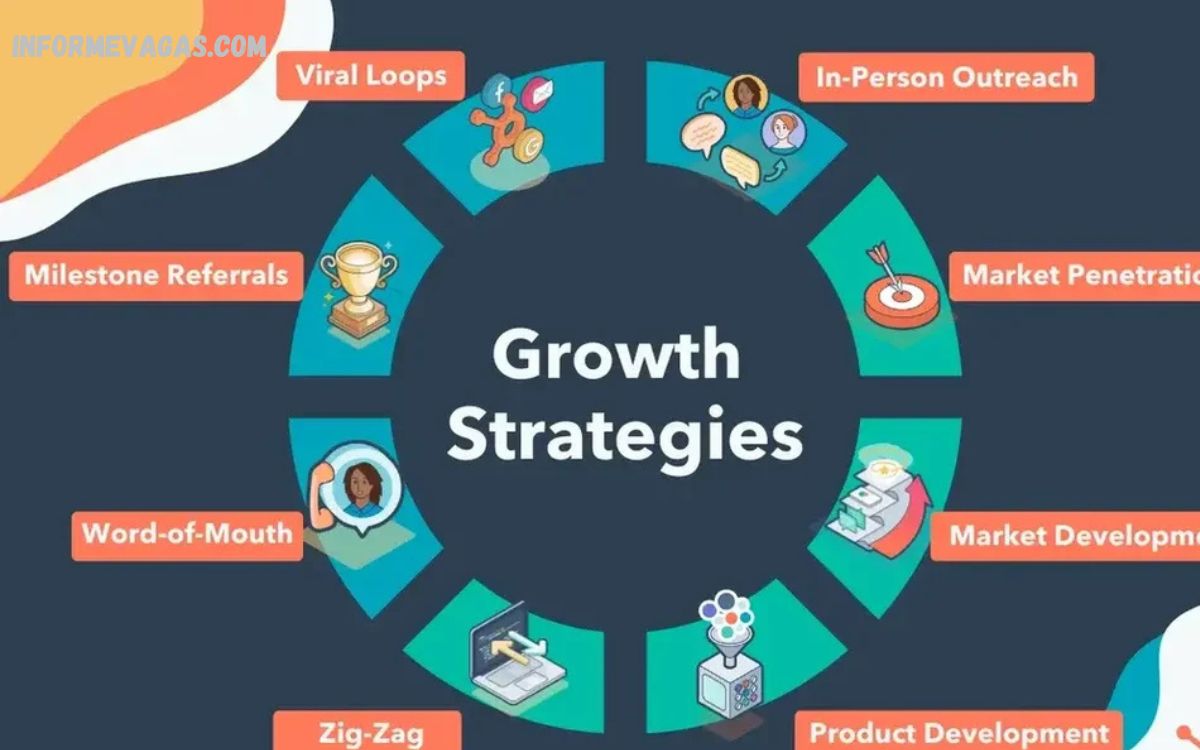
Effective business growth strategies play a vital role in helping companies achieve long-term success in today’s competitive market. Every business, whether small or large, needs a clear plan to increase revenue, attract new customers, and strengthen its brand presence.
One of the most important aspects of business growth is building strong relationships with customers. Businesses that provide value and maintain customer satisfaction are more likely to earn trust and repeat sales. Expanding into new markets, using modern technology, and creating effective marketing campaigns can also help organizations grow faster.
Importance of Effective Business Growth Strategies
Business growth strategies provide direction for companies seeking higher profits and market expansion. Structured planning helps businesses reduce risks, improve productivity, and maximize opportunities.
Benefits of effective business growth strategies include:
- Increased revenue generation
- Improved customer retention
- Stronger brand recognition
- Better market positioning
- Higher operational efficiency
- Improved employee performance
- Increased competitive advantage
- Sustainable long-term growth
Businesses without strategic growth planning often struggle with financial instability, poor customer engagement, and limited market reach.
Market Research and Customer Analysis
Successful businesses understand customer preferences, market trends, and industry demands. Market research helps organizations identify opportunities, competitor strengths, and customer expectations.
Key market research methods:
Customer Surveys
Customer feedback reveals product satisfaction levels, buying behavior, and service improvement opportunities.
Competitor Analysis
Competitor research helps businesses understand pricing models, marketing strategies, and customer engagement techniques.
Industry Trend Monitoring
Industry analysis supports better forecasting and strategic planning.
Data Analytics
Business analytics tools provide insights regarding customer behavior, conversion rates, and marketing performance.
Companies using accurate market research can create targeted marketing campaigns and personalized customer experiences.
Strong Brand Development
Brand development plays a major role in business growth. Strong branding increases customer trust, market visibility, and customer loyalty.
Essential branding strategies include:
Professional Brand Identity
Professional logos, websites, and visual designs improve business recognition.
Consistent Brand Messaging
Consistent communication strengthens brand authority and customer trust.
Customer Experience Improvement
Positive customer experiences encourage repeat business and referrals.
Online Reputation Management
Managing reviews, testimonials, and social media feedback improves credibility.
Strong brands create emotional connections with customers and improve long-term business performance.
Digital Marketing Strategies
Digital marketing remains one of the most effective business growth strategies. Online platforms provide businesses with global reach, targeted advertising opportunities, and measurable results.
Search Engine Optimization
SEO improves website visibility in search engines and increases organic traffic. Businesses using keyword optimization, quality content, and backlink strategies often achieve better search rankings.
Important SEO elements include:
- Keyword research
- Technical SEO
- Mobile optimization
- High-quality content
- Fast website speed
- Internal linking
- User experience improvement
Content Marketing
Content marketing attracts customers through valuable articles, blogs, videos, and guides.
Effective content types include:
- Educational blog posts
- Business case studies
- Industry reports
- Video tutorials
- Infographics
- Social media content
Quality content improves authority, customer trust, and lead generation.
Social Media Marketing
Social media platforms help businesses connect with audiences and increase brand awareness.
Benefits of social media marketing:
- Improved customer engagement
- Increased traffic generation
- Better brand exposure
- Direct customer communication
- Enhanced lead generation
Popular social media platforms support targeted advertising and audience analysis.
Email Marketing
Email campaigns improve customer retention and lead nurturing.
Successful email marketing strategies include:
- Personalized email campaigns
- Promotional offers
- Product updates
- Customer newsletters
- Automated follow-up sequences
Email marketing delivers strong return on investment for many businesses.
Customer Retention Strategies
Customer retention supports long-term business growth. Acquiring new customers often costs more than retaining existing customers.
Effective customer retention strategies include:
Personalized Customer Service
Personalized support improves customer satisfaction and loyalty.
Loyalty Programs
Reward systems encourage repeat purchases and customer engagement.
Fast Problem Resolution
Quick response times improve customer confidence and trust.
Regular Communication
Consistent communication maintains strong customer relationships.
Satisfied customers often recommend businesses through referrals and positive reviews.
Financial Planning and Budget Management
Financial planning forms the foundation of sustainable business growth. Poor financial management can limit expansion opportunities.
Important financial strategies include:
Budget Planning
Structured budgets improve spending control and resource allocation.
Cash Flow Management
Healthy cash flow supports operational stability and investment opportunities.
Investment Planning
Strategic investments improve infrastructure, technology, and productivity.
Risk Management
Financial risk assessment protects businesses from unexpected losses.
Businesses with strong financial systems can scale operations more effectively.
Read Also: Comprehensive E-Commerce Business Guide for Beginners and Professionals
Product and Service Innovation
Innovation helps businesses remain competitive in changing markets. Companies introducing improved products and services often attract more customers.
Innovation strategies include:
Product Development
New products create additional revenue opportunities.
Technology Integration
Automation and digital tools improve efficiency and customer experience.
Service Enhancement
Improved customer support increases satisfaction and retention.
Customer Feedback Implementation
Customer suggestions help businesses improve products and services.
Innovative companies adapt quickly to industry changes and customer demands.
Business Expansion Strategies
Expansion strategies help businesses increase market share and revenue.
Geographic Expansion
Opening operations in new regions increases customer reach.
Online Business Growth
E-commerce platforms support global business expansion.
Strategic Partnerships
Partnerships improve brand exposure and operational capabilities.
Franchise Development
Franchise models support rapid business scaling.
Businesses must evaluate market demand, competition, and financial capacity before expansion.
Leadership and Employee Development
Strong leadership improves organizational performance and employee productivity.
Important leadership strategies include:
Employee Training Programs
Training improves workforce skills and operational efficiency.
Performance Motivation
Recognition programs increase employee engagement.
Effective Communication
Transparent communication strengthens workplace culture.
Goal-Oriented Leadership
Clear objectives improve team performance and accountability.
Successful businesses invest in leadership development and employee growth.
Technology and Automation
Technology adoption increases productivity and operational efficiency.
Important business technologies include:
- Customer relationship management software
- Marketing automation tools
- Data analytics platforms
- Cloud computing solutions
- Artificial intelligence systems
- E-commerce management platforms
Automation reduces manual workload and improves business scalability.
Building Competitive Advantage
Competitive advantage helps businesses outperform competitors.
Methods for creating competitive advantage include:
Superior Customer Service
Excellent service improves customer loyalty.
Unique Product Value
Unique features differentiate businesses from competitors.
Strong Pricing Strategy
Competitive pricing attracts target customers.
Faster Innovation
Quick adaptation supports market leadership.
Businesses maintaining strong competitive advantages often achieve long-term profitability.
Importance of Business Networking
Professional networking creates growth opportunities and partnerships.
Networking benefits include:
- Business referrals
- Strategic partnerships
- Industry knowledge sharing
- Investor opportunities
- Brand visibility improvement
Networking events, conferences, and professional communities support business development.
Measuring Business Growth Performance
Performance analysis helps businesses evaluate success and identify improvement areas.
Important business metrics include:
- Revenue growth
- Customer acquisition cost
- Customer retention rate
- Website traffic
- Conversion rate
- Profit margins
- Employee productivity
- Brand engagement
Data-driven decision-making improves business performance and strategic planning.
Challenges in Business Growth
Businesses often face challenges during expansion and development.
Common business growth challenges include:
Financial Limitations
Limited capital can slow expansion efforts.
Strong Competition
Competitive industries require continuous innovation.
Customer Retention Problems
Poor customer experiences reduce loyalty.
Market Uncertainty
Economic changes affect consumer behavior.
Technology Adaptation
Businesses must adapt quickly to modern technology trends.
Strategic planning helps organizations overcome growth obstacles.
Future Trends in Business Growth Strategies
Modern businesses increasingly focus on digital transformation and customer experience improvement.
Important future trends include:
- Artificial intelligence integration
- Data-driven marketing
- Personalized customer experiences
- Remote workforce management
- Sustainable business practices
- Automation technology
- Mobile commerce growth
- Voice search optimization
Businesses adapting to emerging trends can maintain strong market positions.
Frequently Asked Questions
How can digital marketing support business growth?
Digital marketing increases online visibility, generates leads, improves customer engagement, drives website traffic, and helps businesses reach larger audiences through SEO, social media, and email campaigns.
What role does customer retention play in business growth?
Customer retention increases repeat purchases, strengthens brand loyalty, reduces marketing costs, and generates referrals that contribute to sustainable business growth.
How does market research help business expansion?
Market research provides insights into customer needs, industry trends, competitor activities, and growth opportunities, helping businesses make informed strategic decisions.
What are the key performance indicators for measuring business growth?
Common growth metrics include revenue growth, profit margins, customer acquisition cost, customer retention rate, conversion rate, website traffic, and market share.
How can technology improve business growth?
Technology improves efficiency through automation, data analytics, customer relationship management systems, cloud solutions, and artificial intelligence tools that enhance productivity and customer experiences.
What challenges can affect business growth?
Common challenges include limited funding, intense competition, changing market conditions, customer retention issues, operational inefficiencies, and rapid technological changes.
How can a business achieve sustainable long-term growth?
Sustainable growth requires strategic planning, financial management, continuous innovation, customer-focused services, employee development, technology adoption, and regular performance evaluation.
Conclusion
Effective business growth strategies support sustainable expansion, improved profitability, and long-term success. Businesses focusing on customer satisfaction, digital marketing, innovation, leadership development, and operational efficiency can achieve stronger market positions and higher revenue growth.
Successful organizations continuously analyze market trends, improve products, and strengthen customer relationships.
