
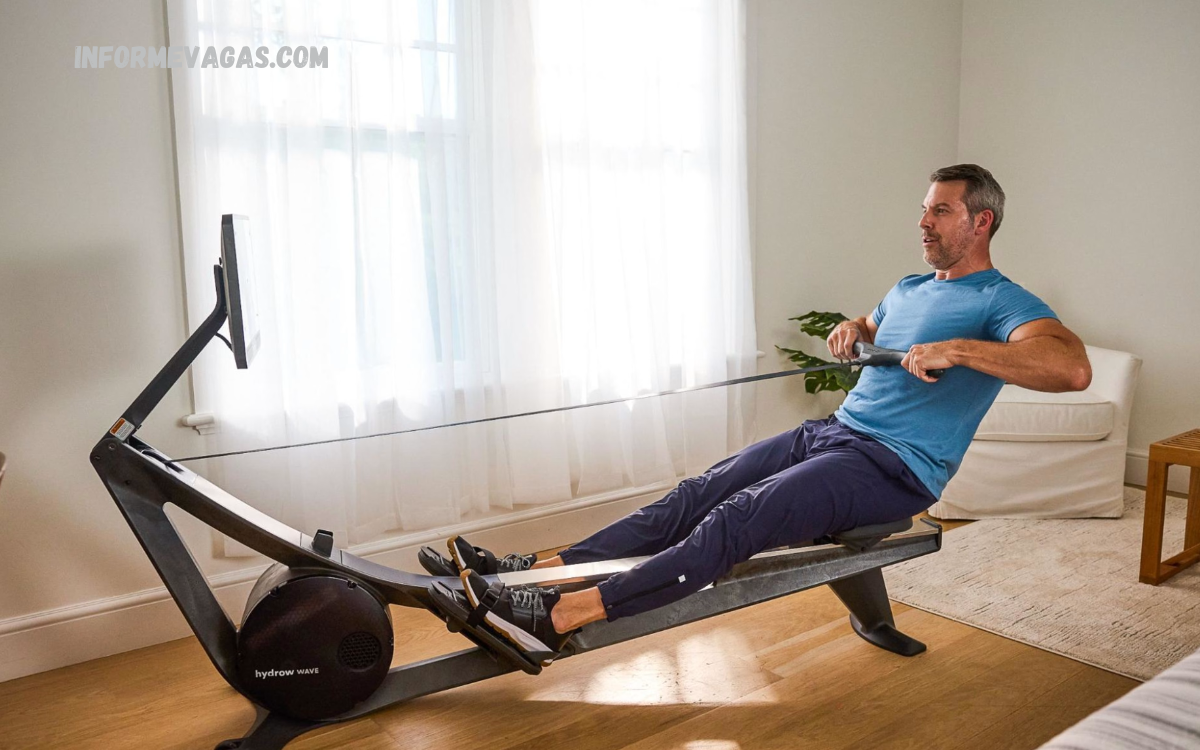
Maintaining physical fitness can often feel like an impossible task. Busy work schedules, family commitments, and social obligations leave little time to visit gyms or attend structured fitness classes. This is where home-based fitness solutions have emerged as a practical and effective alternative, allowing individuals to prioritize their health without disrupting their daily routines.
Home-based fitness solutions offer flexibility, convenience, and personalization, catering to a wide range of fitness levels and goals. From high-intensity interval training (HIIT) and strength workouts to yoga, pilates, and guided online sessions, there are options to suit every preference.
Benefits of Home-Based Fitness Solutions
Home-based fitness solutions offer multiple advantages, making them ideal for individuals with hectic schedules.
1. Flexibility and Convenience
Workouts can be scheduled around personal routines, whether early mornings, lunch breaks, or evenings. This flexibility ensures consistency, a key factor in achieving fitness goals.
2. Cost-Effective
Eliminating gym memberships, travel expenses, and specialized equipment reduces the financial burden, making fitness accessible to a broader audience.
3. Personalization
Home-based workouts can be tailored to individual fitness levels, goals, and preferences. Whether focusing on strength, endurance, flexibility, or overall wellness, routines can be customized to maximize results.
4. Reduced Commute Stress
Skipping the travel to gyms or fitness studios saves time, reduces stress, and allows more energy for workouts and recovery.
5. Privacy and Comfort
Exercising at home eliminates concerns about crowded spaces or social judgment, allowing individuals to focus entirely on their fitness journey.
Popular Home-Based Fitness Solutions
Various workout options cater to different preferences, fitness levels, and goals.
1. Bodyweight Workouts
Bodyweight exercises, such as push-ups, squats, lunges, and planks, require no equipment and effectively build strength, endurance, and flexibility. They can be performed in small spaces and adjusted for intensity.
2. Resistance Bands
Lightweight and portable, resistance bands offer a cost-effective way to enhance strength training. They provide variable resistance, making them suitable for beginners and advanced users alike.
3. Dumbbells and Kettlebells
Compact and versatile, dumbbells and kettlebells allow for strength and functional training, targeting multiple muscle groups and promoting overall fitness.
4. Yoga and Pilates
Mind-body exercises like yoga and Pilates improve flexibility, posture, core strength, and mental well-being. Online tutorials and virtual classes make these practices accessible at home.
5. High-Intensity Interval Training (HIIT)
HIIT workouts are highly effective for burning calories, building endurance, and improving cardiovascular health in short periods. They suit busy individuals seeking time-efficient routines.
6. Online Fitness Platforms and Apps
Technology has transformed home-based fitness. Numerous apps, video tutorials, and virtual trainers provide structured programs, progress tracking, and real-time guidance. These solutions cater to diverse fitness levels, ensuring professional-quality workouts at home.
Read Also: The Importance of Achieving a Healthy Work-Life Balance
Creating an Effective Home Workout Space
Designing a dedicated home workout area enhances focus, motivation, and results.
1. Choose a Suitable Location
Select a well-ventilated, clutter-free space with enough room for movement. Even a small corner can accommodate essential equipment or a yoga mat.
2. Invest in Essential Equipment
Minimalist setups with a yoga mat, resistance bands, dumbbells, or kettlebells can provide a wide range of exercises without overwhelming the space.
3. Utilize Technology
Smart devices, fitness apps, and streaming services can guide routines, monitor performance, and provide motivation.
4. Set a Schedule
Consistency is crucial. Allocating specific times for workouts ensures accountability and integrates fitness seamlessly into daily routines.
5. Motivation and Accountability
Tracking progress, setting achievable goals, and celebrating milestones help maintain motivation. Virtual communities or workout buddies can also provide encouragement and accountability.
Home-Based Fitness for Specific Goals
1. Weight Management
Combining cardiovascular exercises, strength training, and HIIT routines can accelerate fat loss and maintain lean muscle mass, even without gym access.
2. Strength and Muscle Building
Bodyweight exercises, resistance bands, and dumbbells support strength development. Gradual progression and structured routines optimize muscle growth.
3. Flexibility and Mobility
Yoga, Pilates, and stretching routines improve joint mobility, flexibility, and posture, reducing injury risks and enhancing overall well-being.
4. Stress Relief and Mental Health
Home-based fitness supports mental health through mindfulness practices, controlled breathing exercises, and endorphin-releasing workouts. Regular exercise helps combat anxiety, fatigue, and stress.
Overcoming Challenges of Home-Based Fitness
While home-based fitness is convenient, certain challenges may arise.
1. Lack of Motivation
Without a structured gym environment, staying motivated can be challenging. Solutions include scheduling workouts, joining online fitness communities, or using virtual trainers.
2. Limited Equipment
While gyms offer diverse machines, home setups may be minimal. Creativity with bodyweight exercises and resistance tools can overcome limitations.
3. Distractions
Home environments can have interruptions. Setting boundaries, designating a workout space, and communicating with family members ensures focused sessions.
4. Tracking Progress
Monitoring performance without professional supervision requires discipline. Fitness apps, wearable devices, and journaling workouts help maintain accountability.
Tips for Maximizing Home-Based Fitness
- Start with realistic goals to prevent burnout.
- Mix cardio, strength, flexibility, and mindfulness for holistic health.
- Gradually increase intensity to challenge the body and avoid plateaus.
- Maintain proper nutrition and hydration to complement workouts.
- Incorporate rest and recovery to optimize performance and prevent injury.
Frequently Asked Questions
Do I need expensive equipment for home workouts?
No. Many home-based fitness routines rely on bodyweight exercises or minimal equipment like resistance bands, a yoga mat, or light dumbbells, making them cost-effective and accessible.
How much time should I dedicate to home workouts?
Even 20–40 minutes per session, 3–5 times a week, can provide significant benefits. High-intensity interval training (HIIT) allows for shorter but highly effective workouts for busy schedules.
Can home workouts help with weight loss?
Yes. A combination of cardiovascular exercises, strength training, and proper nutrition can promote fat loss, maintain lean muscle, and improve overall fitness.
How do I track progress without a trainer?
Progress can be tracked using fitness apps, wearable devices, workout journals, or by monitoring metrics such as repetitions, workout intensity, body measurements, and energy levels.
Are home workouts suitable for beginners?
Absolutely. Home-based fitness routines can be scaled to any fitness level. Beginners can start with low-intensity exercises and gradually increase intensity as strength and stamina improve.
How can I prevent injuries while exercising at home?
Focus on proper form, warm up before workouts, cool down after sessions, progress gradually, and use appropriate equipment to reduce injury risk. Online tutorials or virtual trainers can guide correct technique.
Can home workouts improve mental health?
Yes. Regular exercise at home releases endorphins, reduces stress, enhances mood, improves focus, and supports overall mental well-being, making it an effective tool for managing busy lifestyles.
Conclusion
Home-based fitness solutions for busy lifestyles offer a practical, flexible, and effective approach to maintaining physical and mental well-being. With minimal equipment, structured routines, and technology-driven guidance, individuals can achieve diverse fitness goals without leaving home. By integrating fitness into daily routines, prioritizing consistency, and leveraging available resources, anyone can overcome the challenges of a busy lifestyle and enjoy the numerous benefits of regular exercise.
