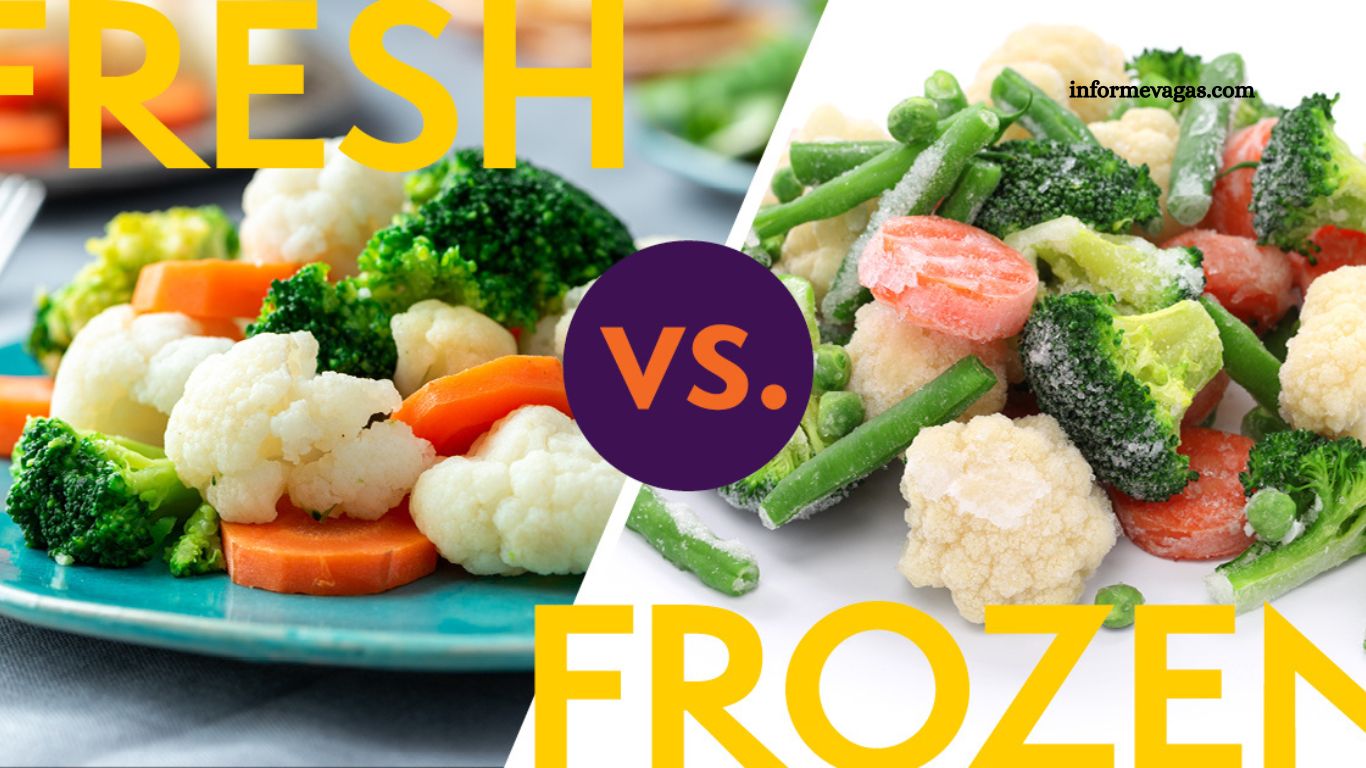
Frozen foods often get a bad reputation as being overly processed or unhealthy. But in reality, some of the most nutritious options in the grocery store are found in the freezer aisle. Frozen fruits and vegetables are picked at the peak of ripeness, which locks in vitamins and minerals, making them just as healthy if not healthier than fresh produce that may have traveled for days before reaching your store.
They’re incredibly convenient, too: pre-washed, pre-cut, and ready to use, saving you valuable time in the kitchen. Whether you’re blending smoothies, tossing a stir-fry, or adding vegetables to soups, frozen produce makes it easy to eat well every day. Here are several compelling reasons a nutritionist recommends keeping frozen fruits and vegetables stocked in your freezer year-round.
Read More: Essential Strategies for a Healthy and Spotless Home
They’re Mature—In a Good Way!
The moment a fruit or vegetable is picked, it starts to lose nutrients. How soon after harvesting you eat it can make a big difference in its nutritional value.
Most frozen fruits and vegetables, however, are frozen shortly after being harvested, giving them time to ripen fully. This means they’re packed with vitamins, minerals, and antioxidants—and freezing helps “lock in” these nutrients, according to the Academy of Nutrition and Dietetics.¹
In contrast, much of the fresh produce at your supermarket may have traveled more than 1,000 miles by truck before reaching your cart, notes the University of Michigan.² To survive the journey, it’s often harvested before reaching peak ripeness and artificially ripened along the way, which can reduce its nutrient content.
They’re Just as Nutritious (Or Even More So) Than Fresh
Frozen produce isn’t just convenient—it can be just as nutrient-rich as fresh, and in some cases, even superior. A 2015 study in the Journal of Agricultural and Food Chemistry compared eight common fruits and vegetables stored in a refrigerator for 3 or 10 days versus frozen for up to 90 days. Researchers found that for vitamin C, riboflavin, alpha-tocopherol (a form of vitamin E), calcium, magnesium, zinc, copper, iron, fiber, and total phenolics, frozen and fresh produce were highly similar—sometimes with frozen outperforming fresh.³
Similarly, a 2014 report from the University of Chester measured nutrients in produce stored in the fridge for three days versus frozen equivalents. Frozen fruits and vegetables often had higher levels of antioxidants, including polyphenols, anthocyanins, lutein, and beta-carotene.⁴ Clearly, freezing doesn’t destroy nutrients—it preserves them.
They’re Additive-Free
Freezing naturally preserves fruits and vegetables, so there’s no need for added preservatives. Most frozen produce—like spinach, berries, and peas—comes “naked,” meaning no added salt, sugar, or sauces. This makes it easy to find bags with a single ingredient: the fruit or vegetable itself. As always, it’s wise to check the ingredient list to be sure.
They’re Super Healthy Shortcuts
Frozen fruits and vegetables often come pre-washed, peeled, or chopped, which makes cooking faster and easier. The USDA reports that, on average, Americans aged 18 and over spend 37 minutes per day on food preparation and cleanup.⁵ Choosing frozen produce can save you time, helping you whip up healthy meals at home instead of reaching for takeout.
They’re Versatile
A well-stocked freezer opens up endless possibilities with fruits and vegetables. Frozen fruit isn’t just for smoothies—you can thaw or warm it to top oatmeal, whole-grain toast with nut butter, or even yogurt bowls. Frozen veggies are equally flexible: sauté them in olive oil with garlic and herbs, toss them into stir-fries, mix with quinoa or whole-grain pasta, or serve alongside a lean protein for a quick, balanced meal.
For even more flavor with minimal effort, keep jars of all-natural vegan pesto or tapenade on hand. Toss steamed frozen vegetables with these sauces for a fast, tasty side dish. Some crowd-pleasing combos include broccoli with sundried tomato pesto, spinach with roasted red pepper pesto, or French-cut green beans with olive tapenade. Simple, nutritious, and ready in minutes.
Frequently Asked Questions
Are frozen fruits and vegetables healthy?
Yes! Frozen produce is picked at peak ripeness and quickly frozen, which preserves vitamins, minerals, and antioxidants. In some cases, frozen can even be more nutrient-rich than fresh produce that has traveled long distances.
Do frozen fruits and veggies contain additives?
Most do not. Plain frozen fruits and vegetables typically contain only the produce itself. Always check the ingredient list to be sure there are no added sugars, salts, or sauces.
Can I cook frozen vegetables directly without thawing?
Absolutely. Many frozen vegetables can be sautéed, roasted, or steamed straight from the freezer. Frozen fruits can often be added directly to smoothies or cooked dishes without thawing first.
How long do frozen fruits and vegetables last?
Frozen produce can last 8–12 months in the freezer if stored properly. Always check for ice crystals or freezer burn, which may affect texture but not safety.
Can I use frozen fruits and vegetables in all recipes?
Yes! Frozen produce works well in smoothies, soups, stews, stir-fries, pasta, baked goods, and side dishes. Keep in mind that some delicate fruits, like berries, may be softer once thawed.
Do frozen fruits and veggies save time?
Definitely. They’re pre-washed, pre-cut, and ready to use, which can save you significant prep time in the kitchen.
Conclusion
Frozen fruits and vegetables are a convenient, nutritious, and versatile addition to any kitchen. They preserve peak ripeness, lock in essential nutrients, and require minimal prep—making it easier than ever to enjoy healthy meals at home. From smoothies and stir-fries to quick sides with pesto or tapenade, frozen produce offers endless culinary possibilities while saving time and reducing food waste. Next time you’re at the grocery store, don’t overlook the freezer aisle keeping a variety of frozen fruits and veggies on hand is a simple way to eat well every day, all year round.